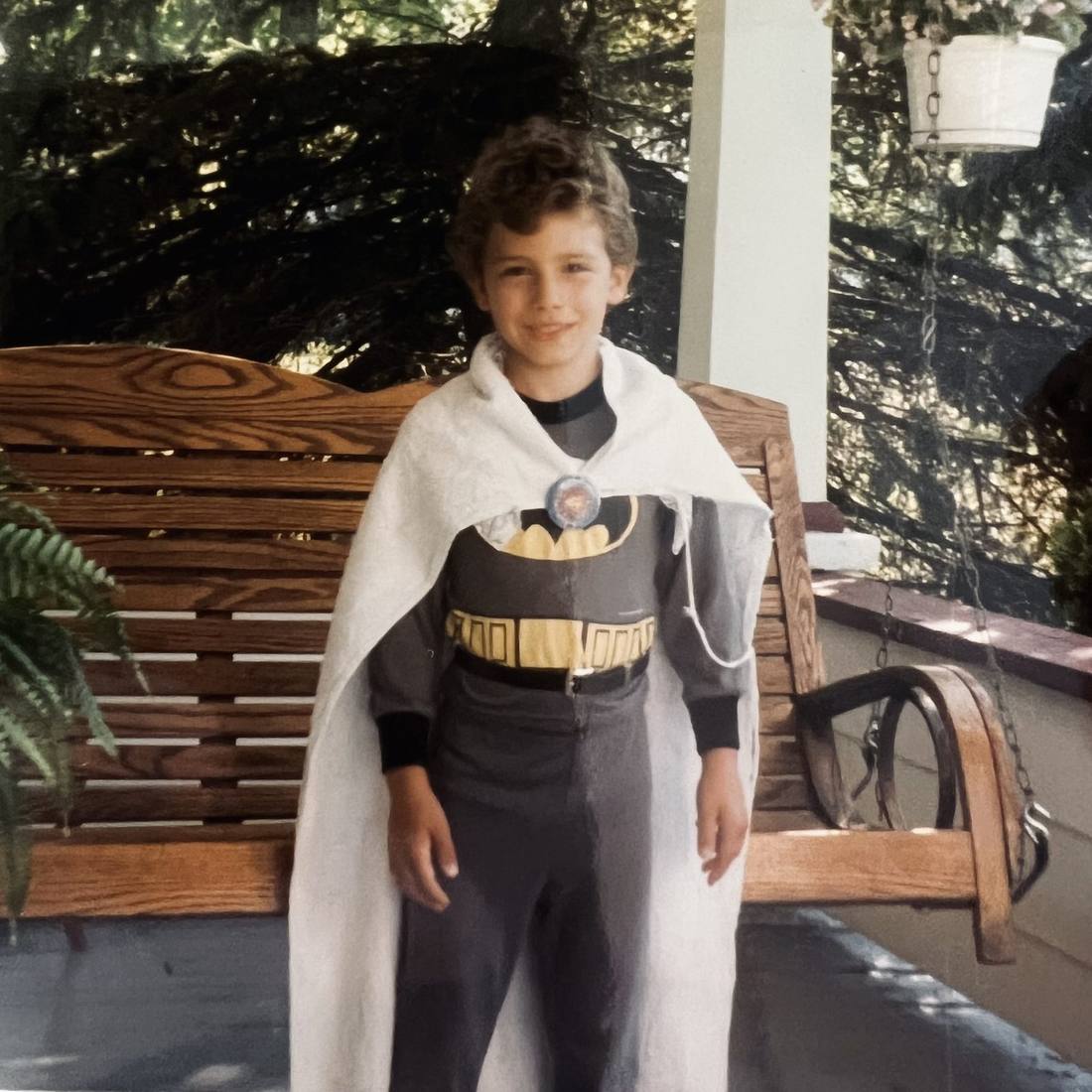
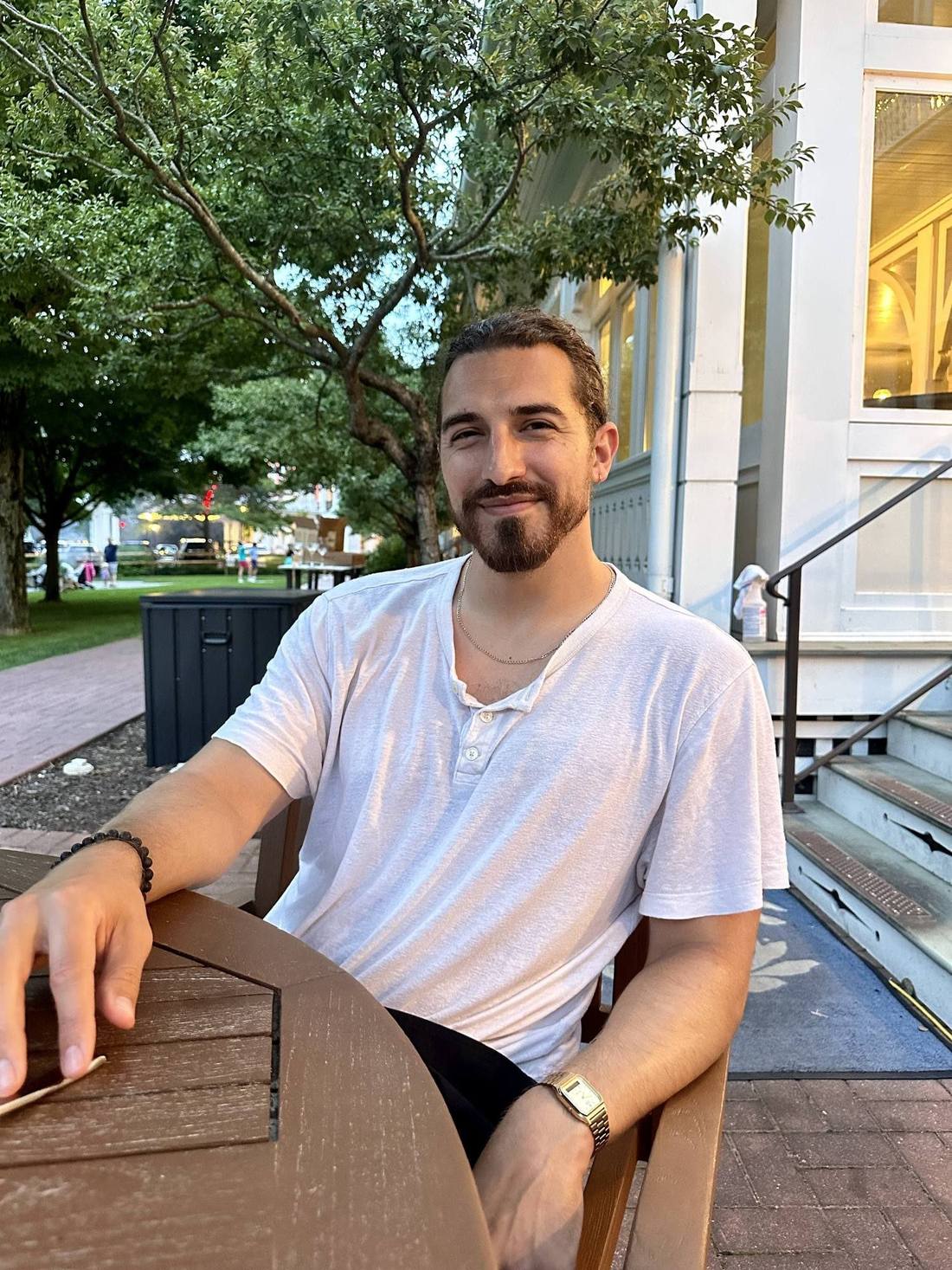
This page was built as an epic ordinary life story. It happens to be mine.
Fifty-one story snippets, in three acts. Orientation, where I tell you what I believe. Formation, where I show you what it cost. Practice, where I show you what I do with it now.
About twenty minutes if you read the whole way. You can leave whenever you want.
Act one
Orientation
Nine short pieces about what I believe. If you came for the life, skip to nine.
Orientation
00
00 to 08
00
Start here.
You are here. Air is going into you and coming back out and you did not arrange for any of it. Whether this place is run by a personal God, a shared field of consciousness, or nobody at all, the arrangement is holding and you are inside it. Simon Sinek says start with why. Skip it. Start with the fact that you woke up.
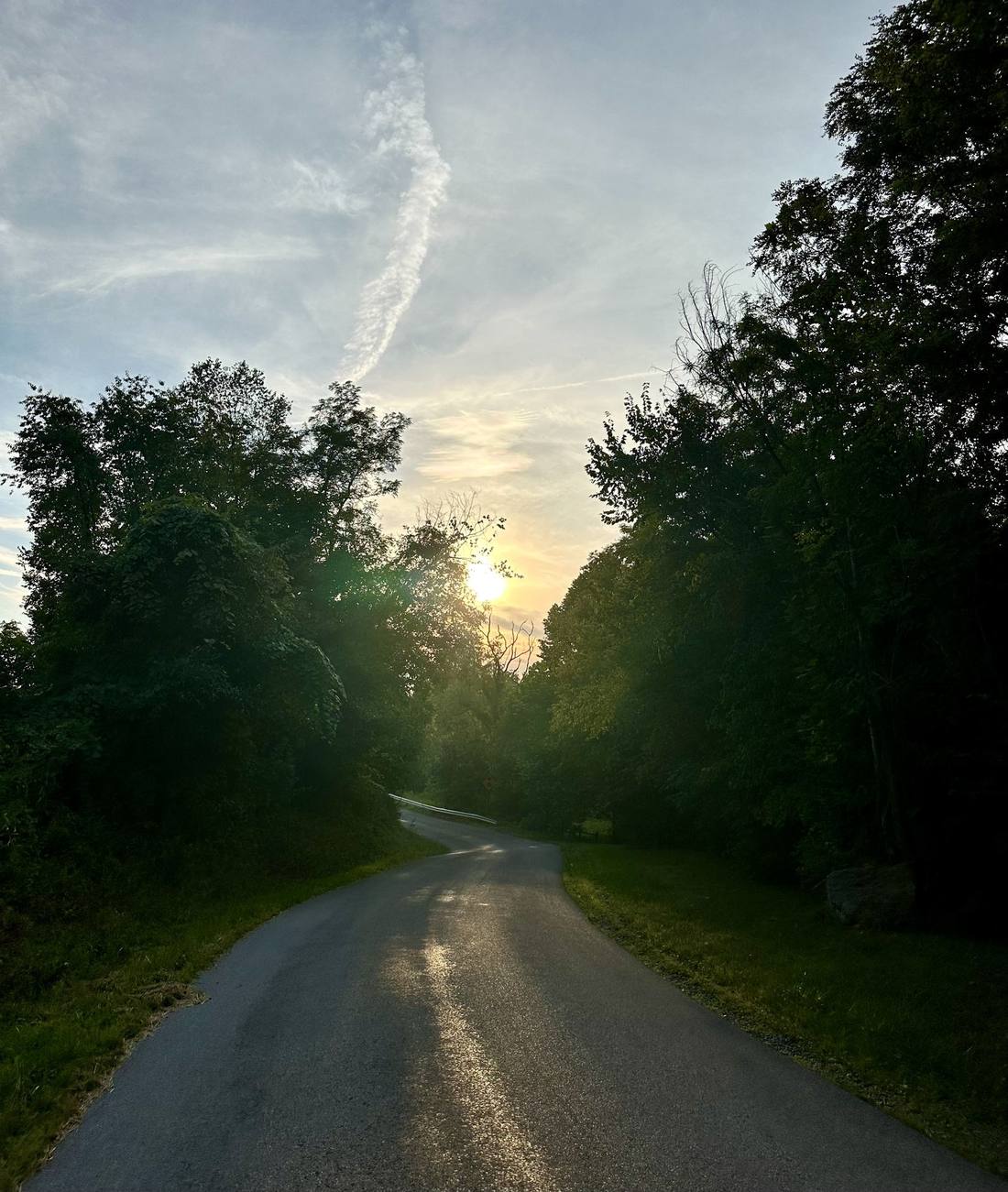
00. The road I grew up on.
01
You are a story.
You are also a story, and stories leak. Yours gets into how you hold a fork, who you call back, which street you stopped walking down. Story is the nearest thing we have to identity. My father wasn’t there. I’ll never get that joy back. Immigrants are ruining this country. I’m too green to lead. I’m too senior to listen to that kid. In this life you are epic, but not the hero. Ordinary, but not insignificant.
01. Epic, though not the hero.
02
The job.
I sit with people while they slow down and tell the truth, at Epic Ordinary with Samir Selmanović and in sessions with MIT xPRO. Everyone needs a witness before anything changes. The Velveteen Rabbit got there first. “Once you are real, you can’t be ugly.”
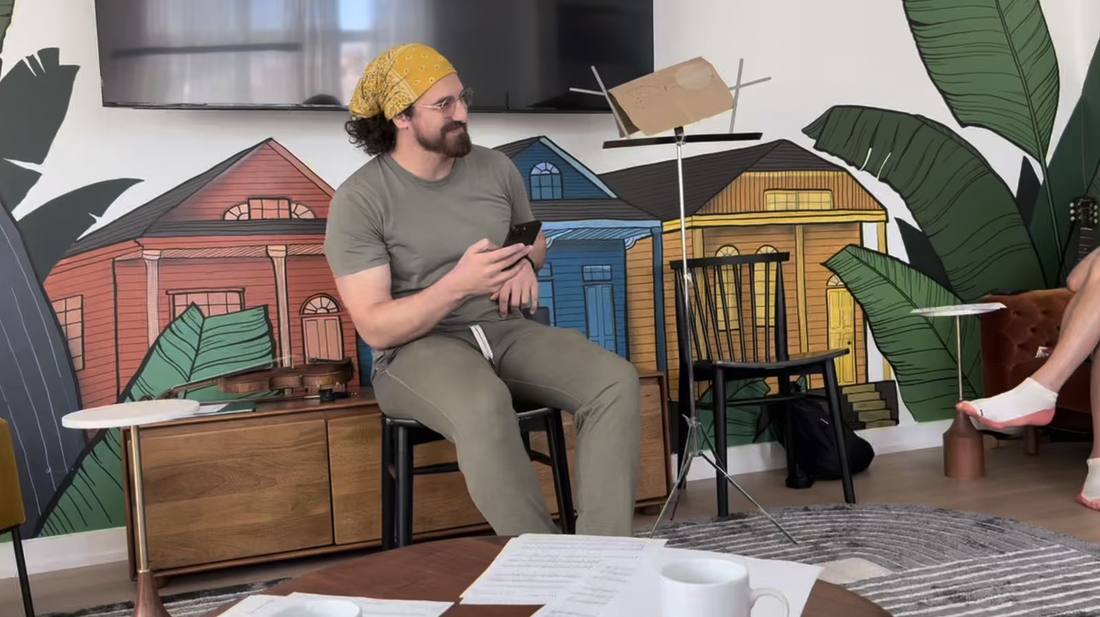
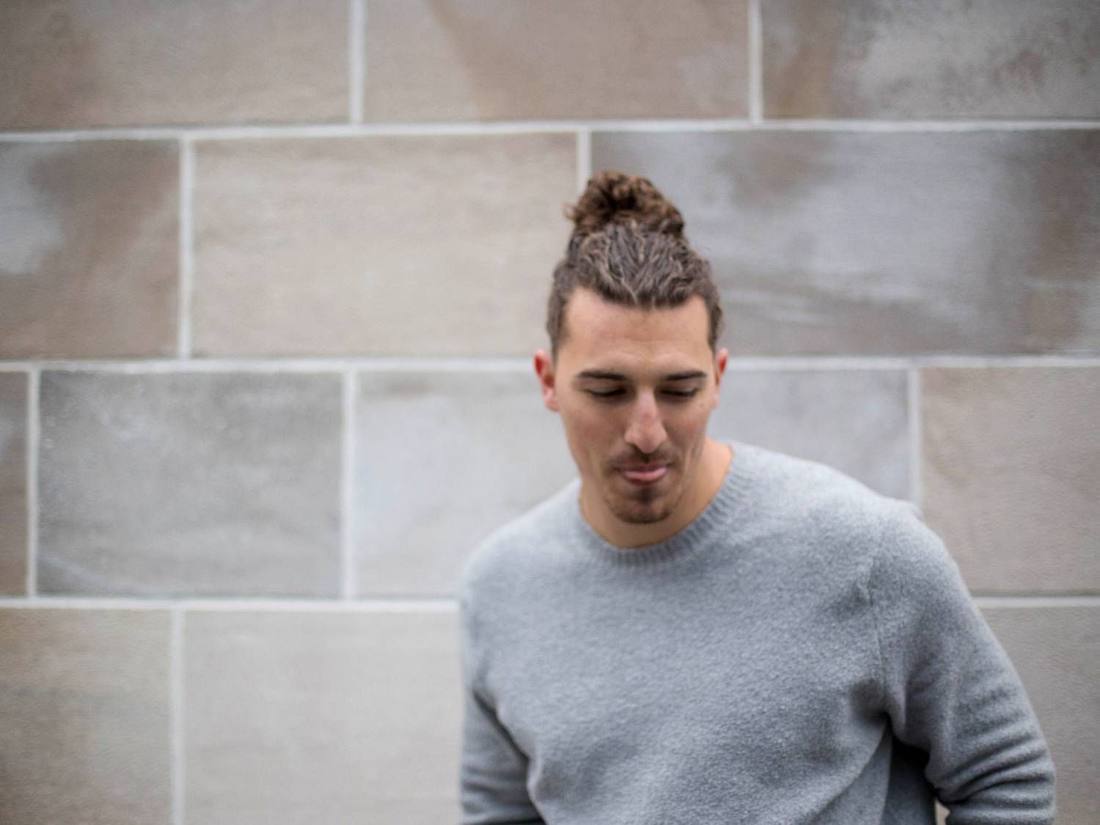
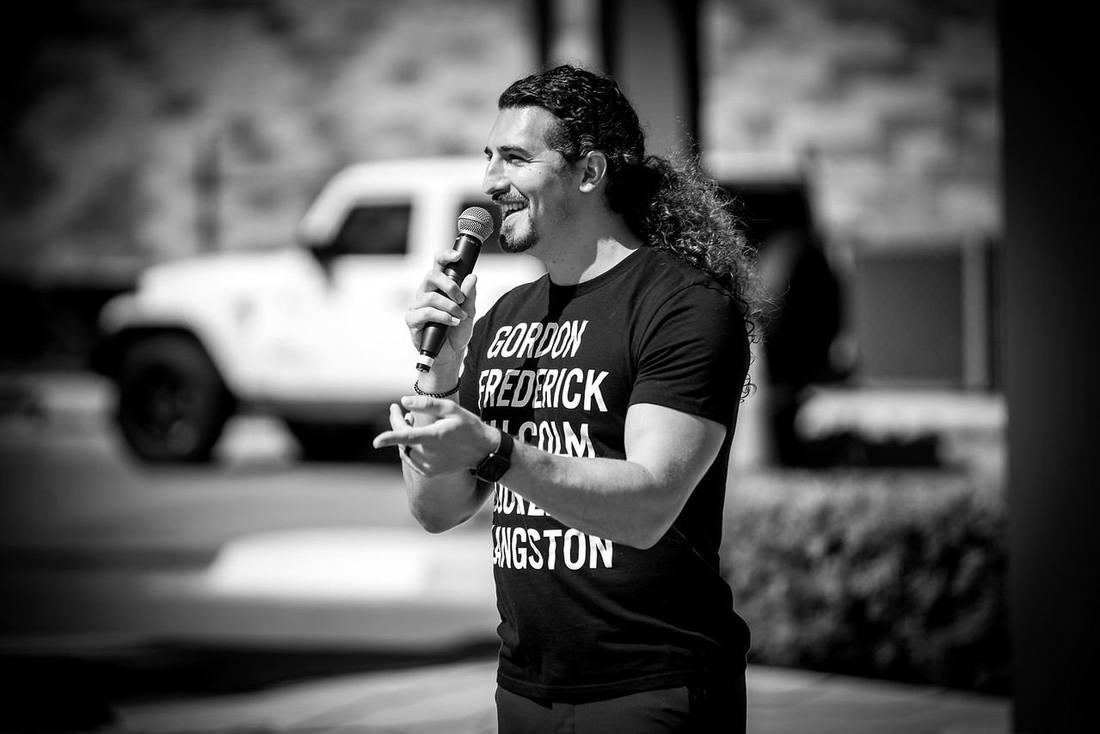
02. How I dress when I can get away with it.
03
The weather we live in.
Speed, misinformation, insecurity, fragmentation. A lot of us live inside a permanent alert, attention trained away from what is actually here and toward a fantasy that never stops arriving. Meaning gets thinner. You can feel it at dinner tables, in staff meetings, in the half second before a teenager unlocks a phone.
03. The weather we live in.
04
The agony of untold life.
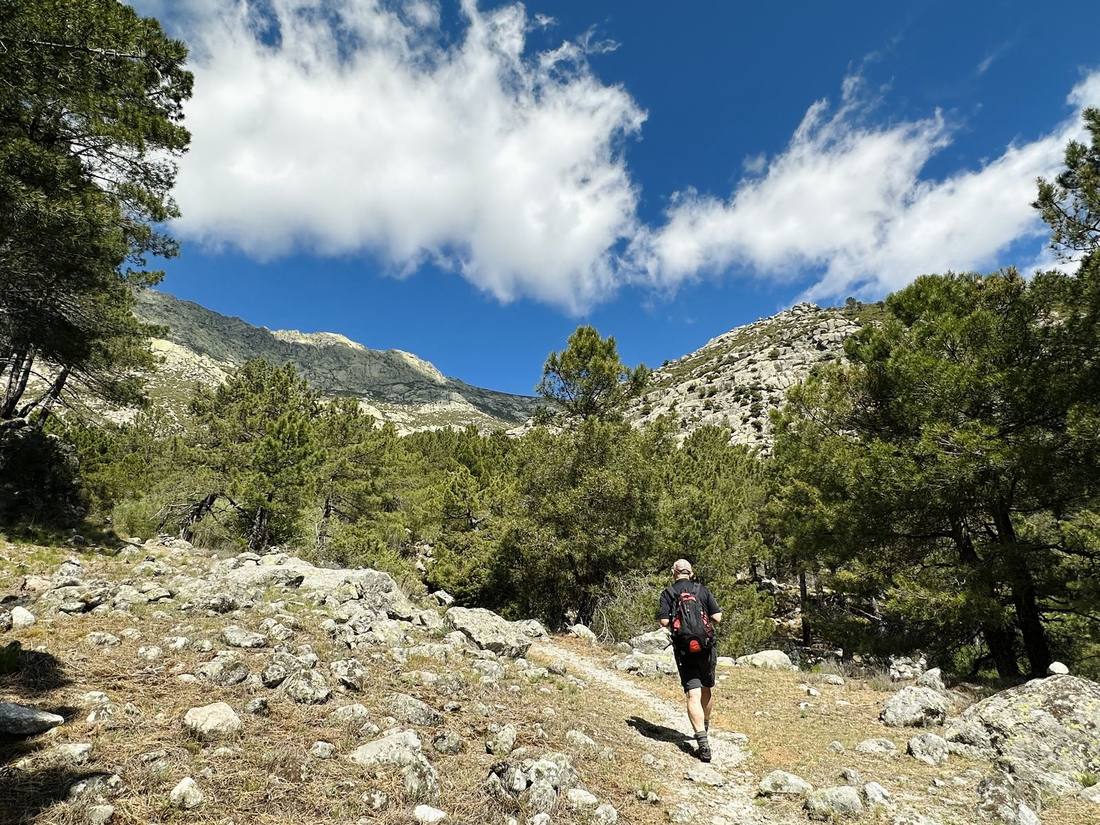
All our lives we want to say what happened to us. We cannot find the words, or we find them and go quiet anyway, and the muted life looks functional for years before it starts sending the bill. Some of us go the other direction, loud and polished, covering the exact truths that would have made us real.
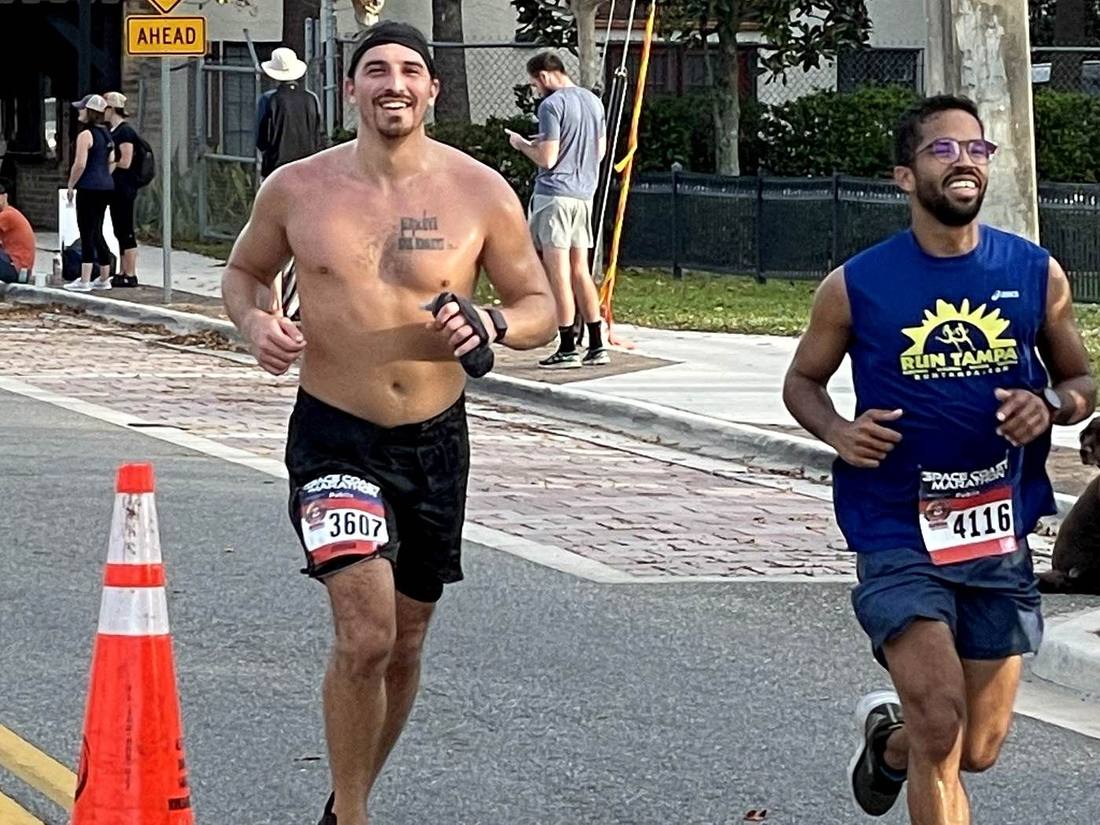
04. Polished, with chaos beneath the surface.
05
Fear of Being Seen.
Story makes you visible, and visible is the part you are afraid of. A line often attributed to Jung goes: hurry is not of the devil, it is the devil. Next time you rush, check whether you are outrunning your own reflection. The fear is good news. It means you are close to something true. A threshold, with a toll. Let something come, let something go.
05. Before I had language for it.
06
Stories are dangerous.
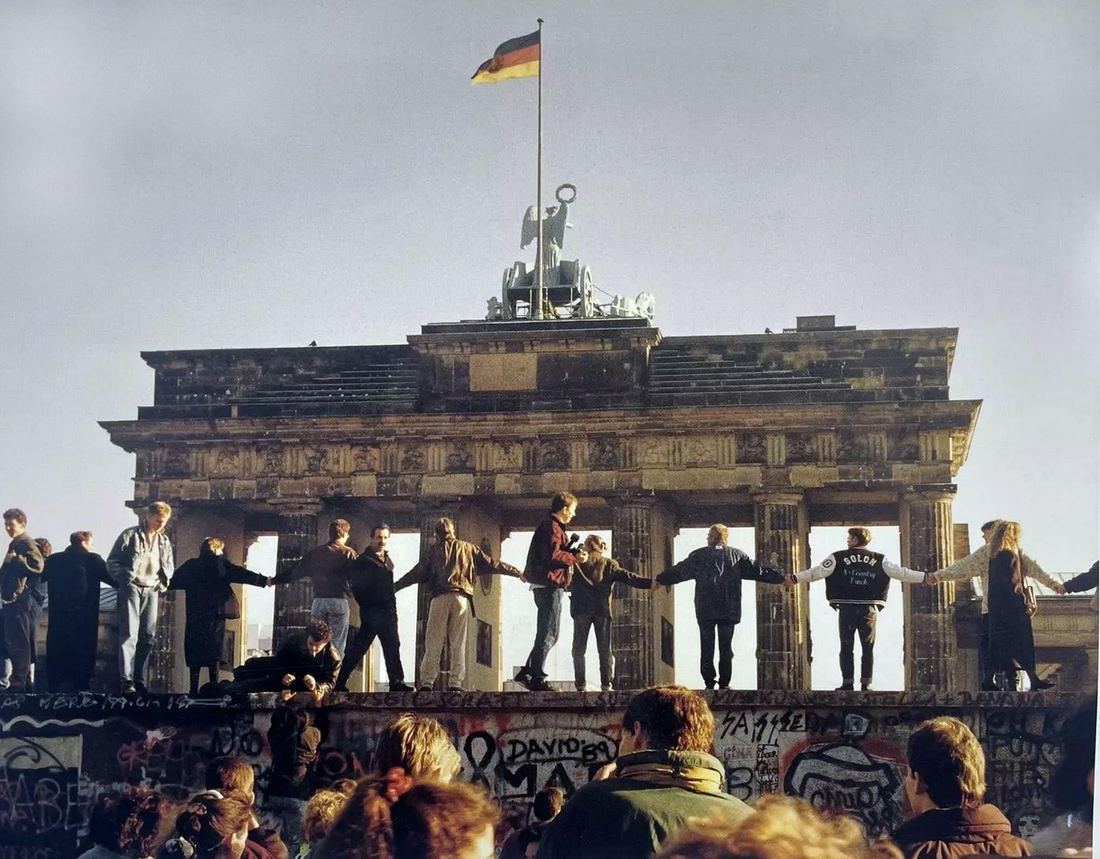
To say your story out loud is dangerous to whoever you have been, and that danger is the reason it works. Stories built the camps. Stories marched on Selma. Stories brought down a wall, made children, ended marriages, got people sober, and put someone in bed for a week with a stomach that would not settle. Handle accordingly.
06. A wall, and the story that took it down.
07
A larger story than our own.
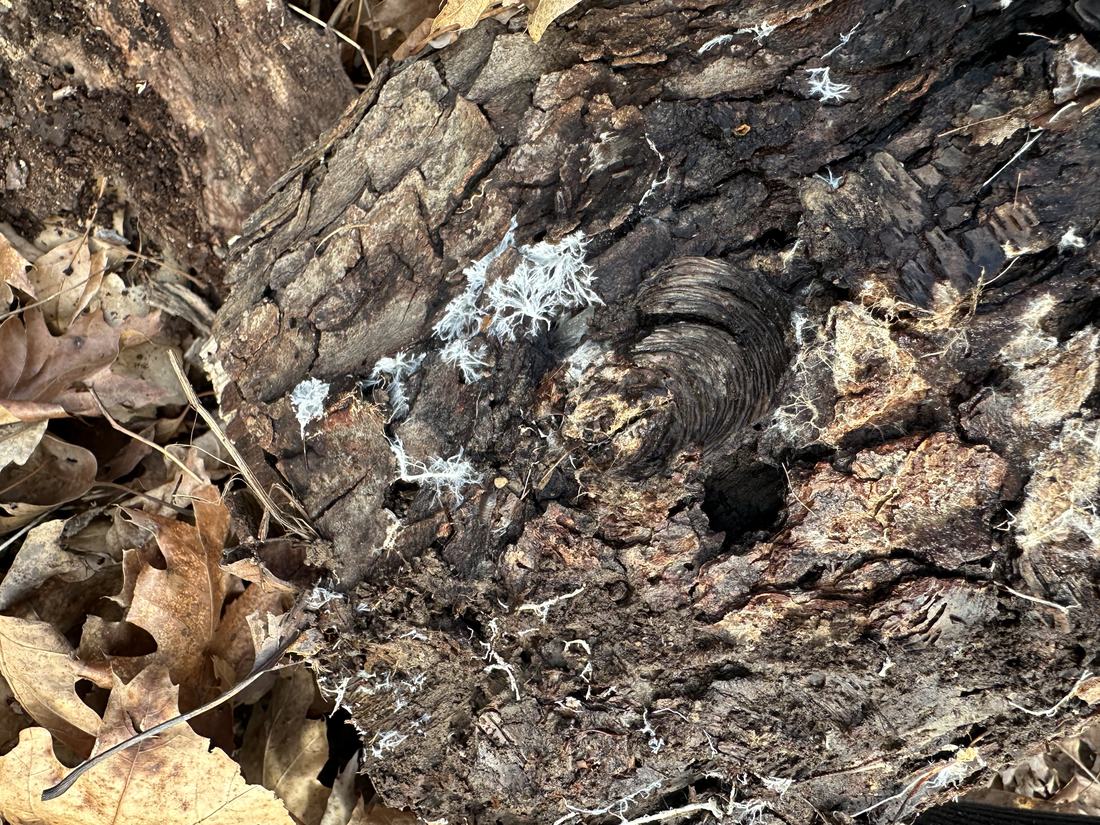
Walk into a forest. The mushrooms look like strangers standing apart, each minding its own business. Lift a fallen log, or peel the ground back like a layer of cake, and you find the web underneath, threads running through roots and stone and rotting wood, passing sugar, passing warning, one being wearing many hats. Presence and story work like that in a community. Split them and connection turns into posture and panic.
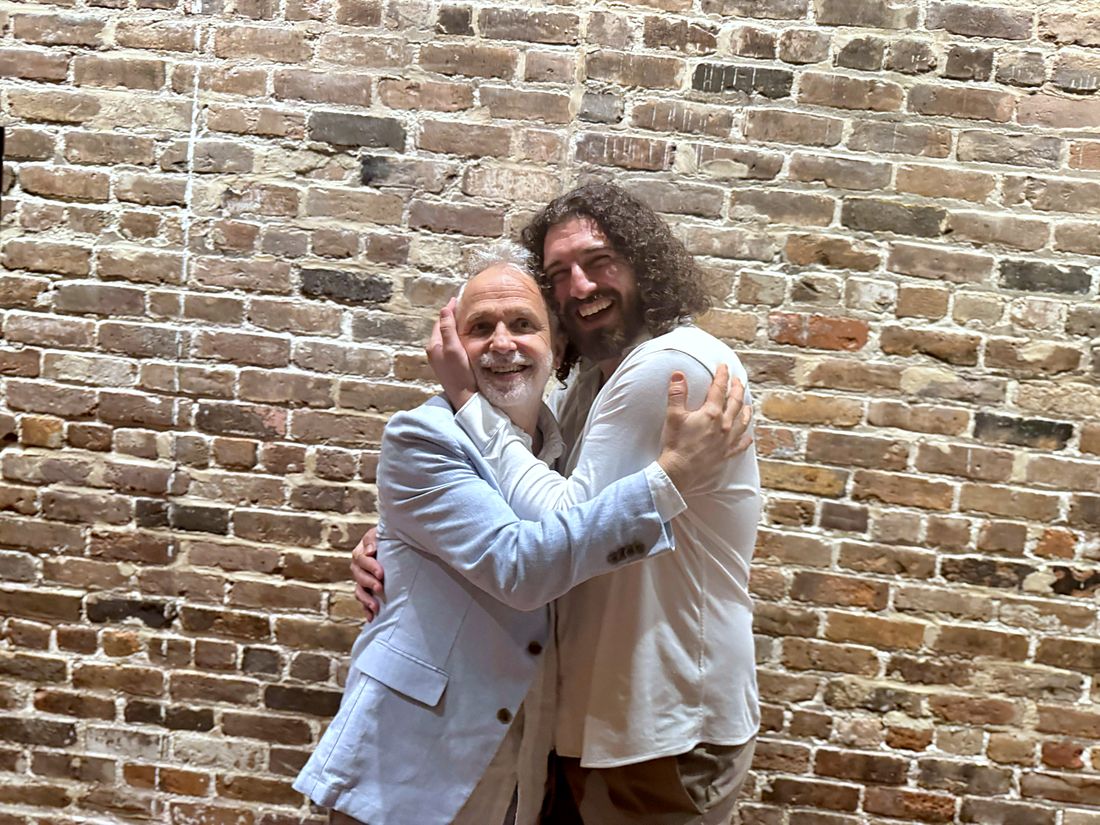
07. Under the log, keeping what was cut down alive.
08
A New Renaissance is needed.
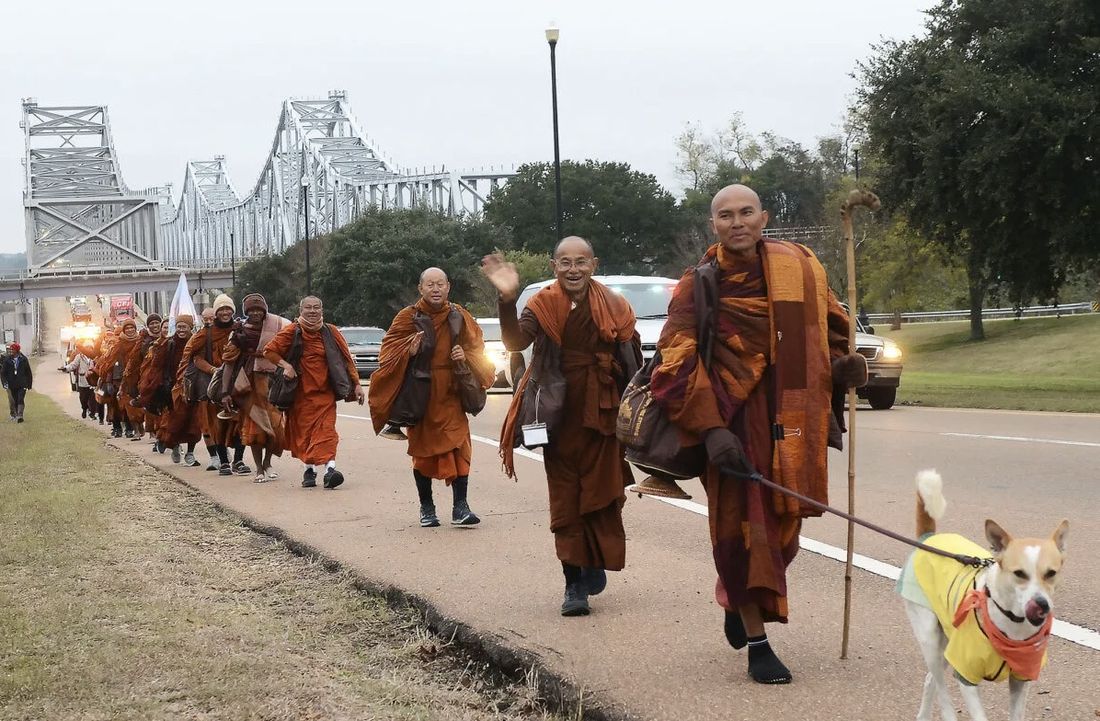
A group of Buddhist monks walked twenty-three hundred miles across this country. At the end one of them stepped up to say something to the public, four months of road still in his legs, and the first words out of him were: don’t touch your phone when you wake up in the morning. Out of everything he could have said. Attention, reclaimed, as a form of peace.
08. Walking, at the pace of the slowest.
Act two
Formation
Thirty-two pieces, roughly in order. A ten-month wait, a Starbucks, a bee sting, a forest with no path.
Formation
09
09 to 40
09
Nearly ten months.
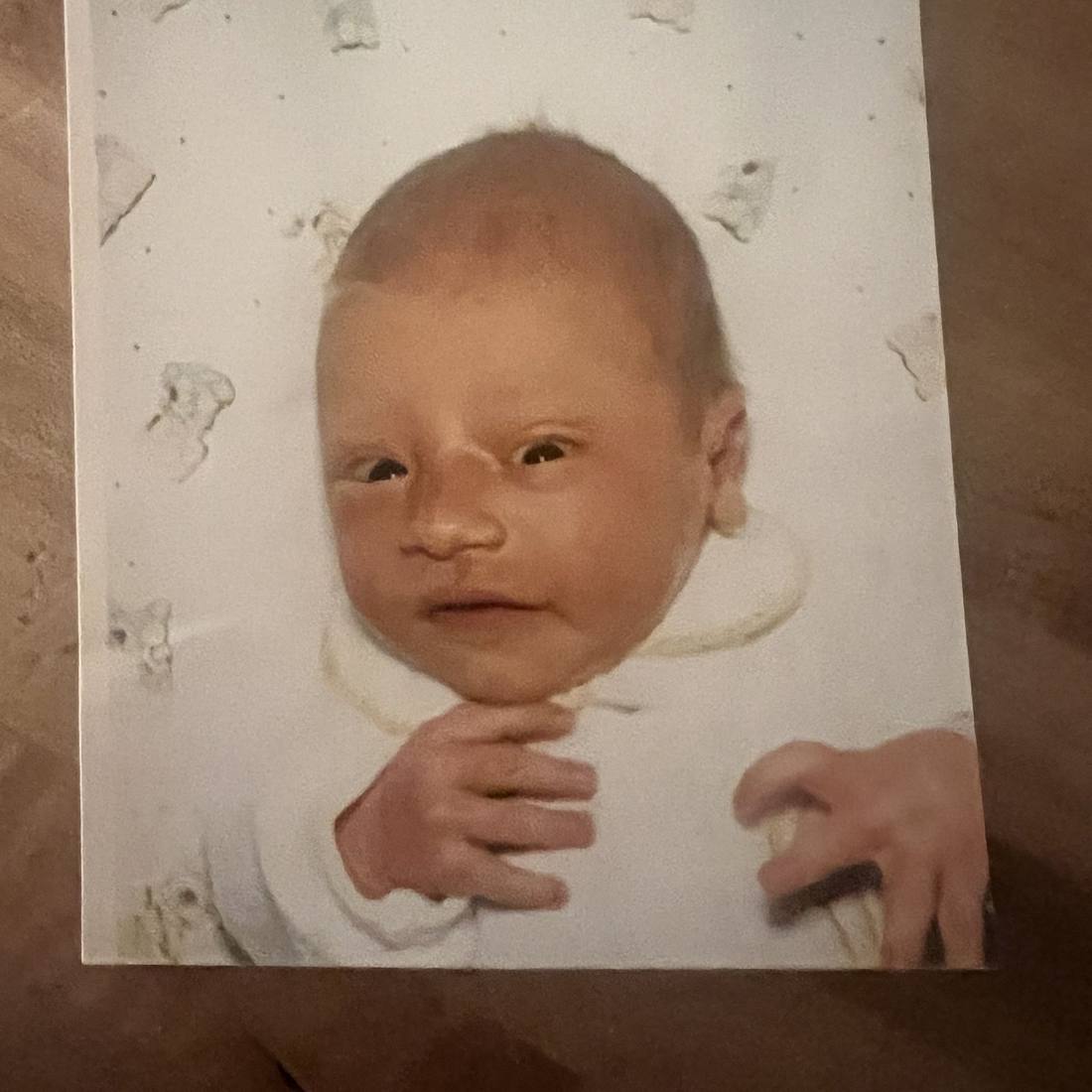
My mother carried me almost ten months. Nobody induced her. I arrived wrinkled and alarmed, fingers still curled from the waiting, unconvinced the water was gone. Slow to cry. Slow to latch. Slow, it would appear, to this day. I have wondered since whether that was the first hurry I ever refused, before I had a word for it, or teeth.
09. Wrinkled, alarmed, fingers still crooked from the wait.
10
The Cathedral of Learning and Starbucks.
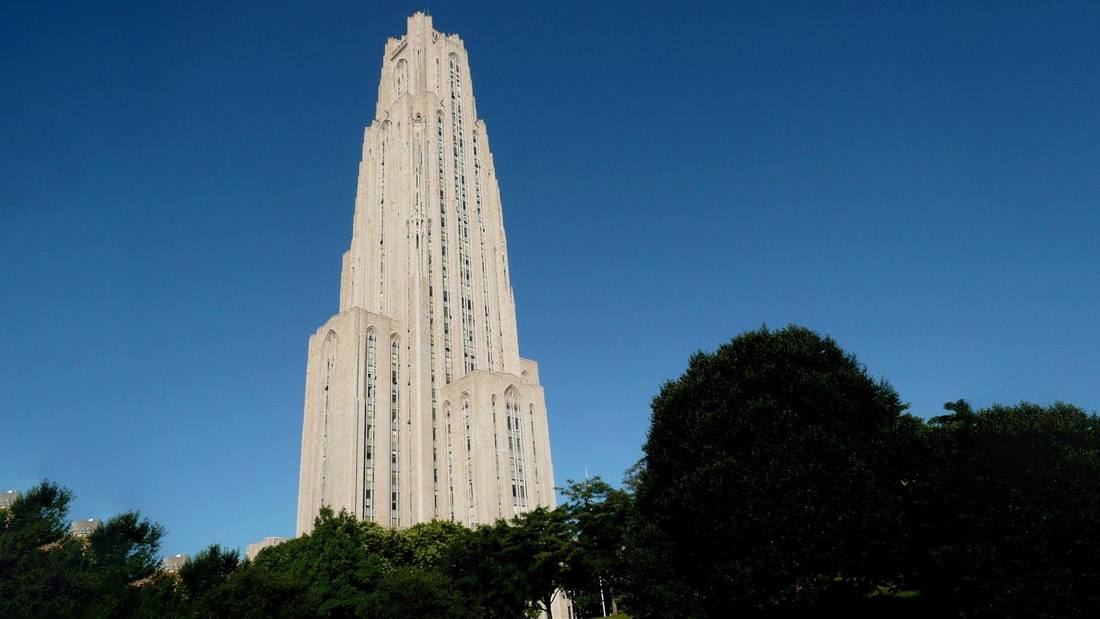
2008. Hood up in the back row of required English Composition, forty-two stories of gothic stone overhead, thousands of students in the building, me somewhere in the count. I finished that semester with a 0.89 GPA. Depressed as a bird that had learned the window. Halfway through it my instructor, a lanky graduate student, bought me a coffee on Forbes Avenue and slid my essay back across the table. “It’s good. It could be better. I see something in you. You can write.” A door came open on a future I had not earned.
10. Forty-two stories of gothic stone, and me in the back row.
11
Myles and the Moleskine.
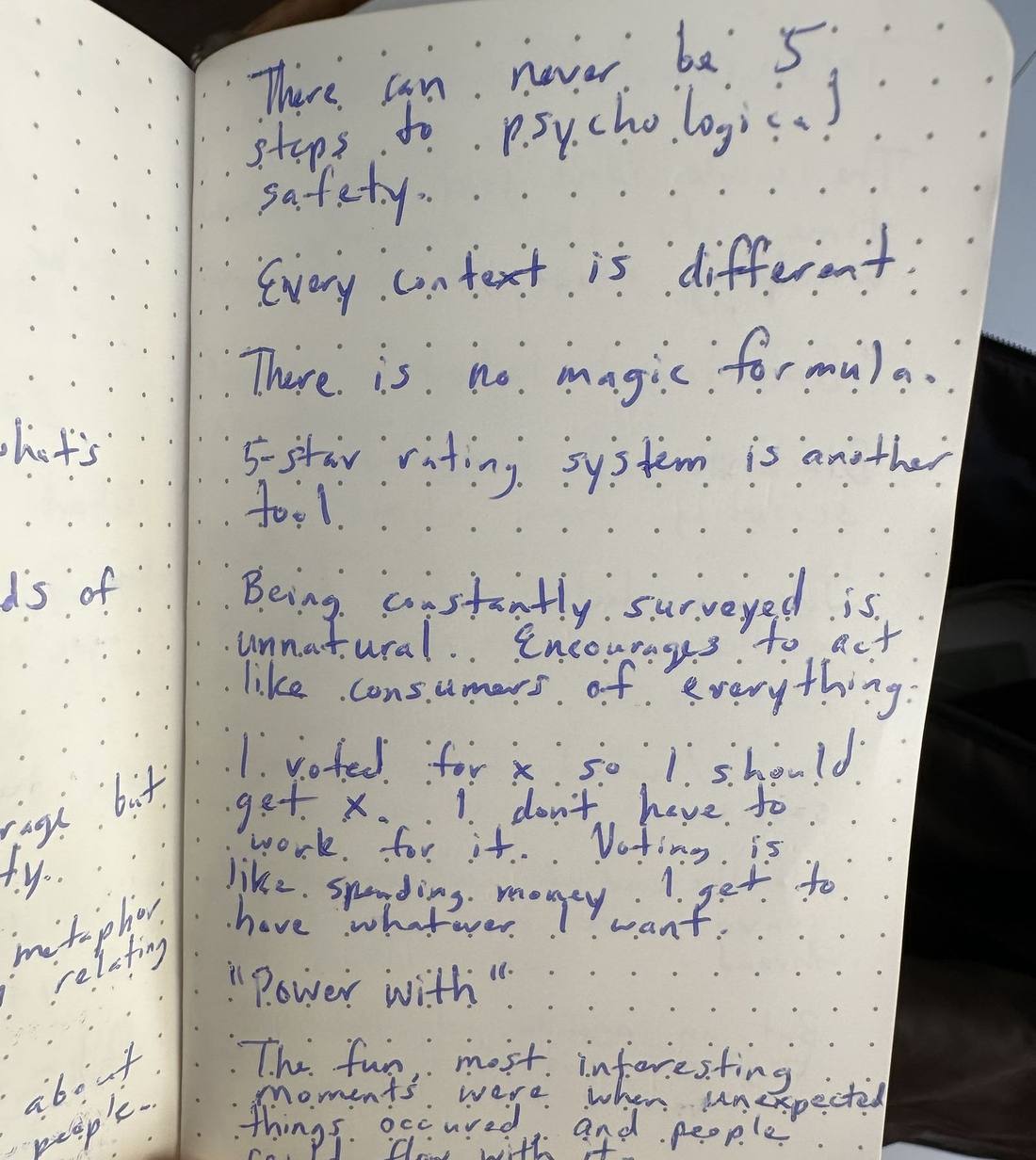
Spring of 2010, a smaller school, and a senior resident advisor named Myles put a black Moleskine in my hands with a charge attached. Take it everywhere. Write. I fell for noticing the way you fall for a person, badly and all at once. Later, in Kalamazoo, I asked Carolyn Forché why she writes. “Writing retrieves from the consciousness what is irretrievable by other means.” I had it memorized before she finished saying it.
11. Still taking it everywhere.
12
Andrews.
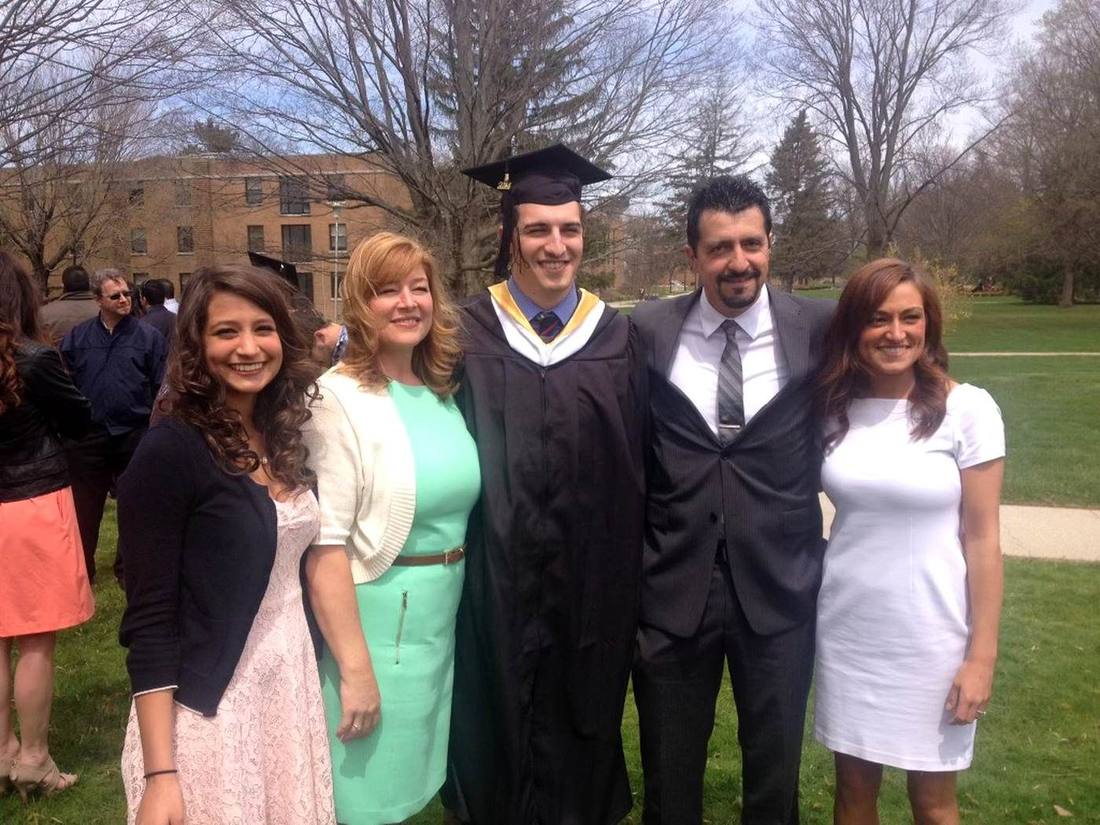
Berrien Springs, Michigan, where the winters are long and mean and half the campus flew in from somewhere warmer. I went in a theology major with no wish to stand behind a pulpit. My English professor kept suggesting I add a writing degree. I ignored him for a year and a half, then did it. Unhurriedly, you might say. By 2014 I had both and still no sentence for what I wanted.
12. Andrews, with the fam.
13
There are no silver bullets.
Then a stretch of jobs that did not fit. Lease analyst. Hotel clerk. Teacher at a court-adjudicated school that felt more like a holding cell. One afternoon I watched a supervisor press a student’s face into the floor, and I understood how fast a person becomes a number inside a system. I stood there useless. Nothing I had was the size of what was in front of me. I left, and that is when I started writing my novel, little knowing it would take thirteen years of making and unmaking, like me.
13. Mount Washington, and the start of a thirteen-year book.
14
Jersey years.
New Brunswick. Editing at a publishing house trained my ear. I learned how people hide inside careful language, and how a whole table goes quiet when somebody finally says one true sentence. My license photo from those years suggests I moonlit for the Sopranos. I did not. What I did learn is what a believed lie does to everyone standing near it.
14. Not affiliated with the Sopranos.
15
Flour on a wooden table.
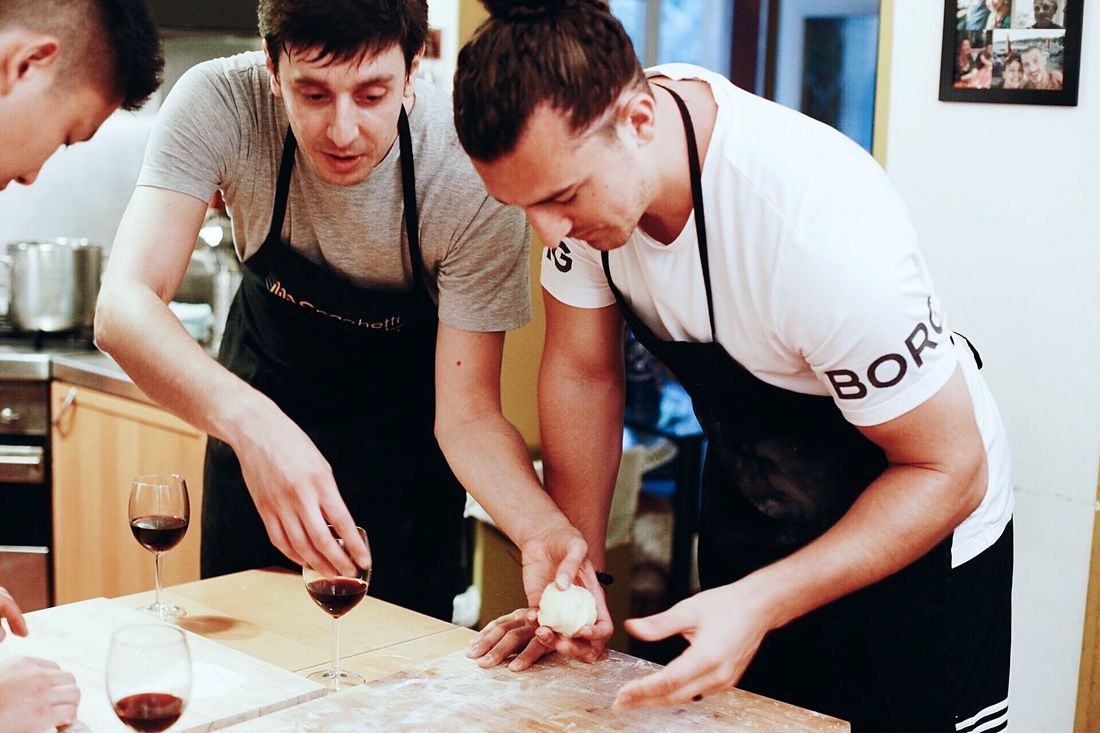
2018, on the way to Florida by way of Italy, I learned pasta by hand in somebody’s home kitchen. Aprons. Three glasses of red going warm beside the flour. A man leaned over my shoulder to tell me I was working the dough too hard. Softer. Slower. Let it rest. I had been hurrying for years without ever calling it that, and a stranger corrected my hands. The dough knew before I did.
15. Italy, learning with my hands.
16
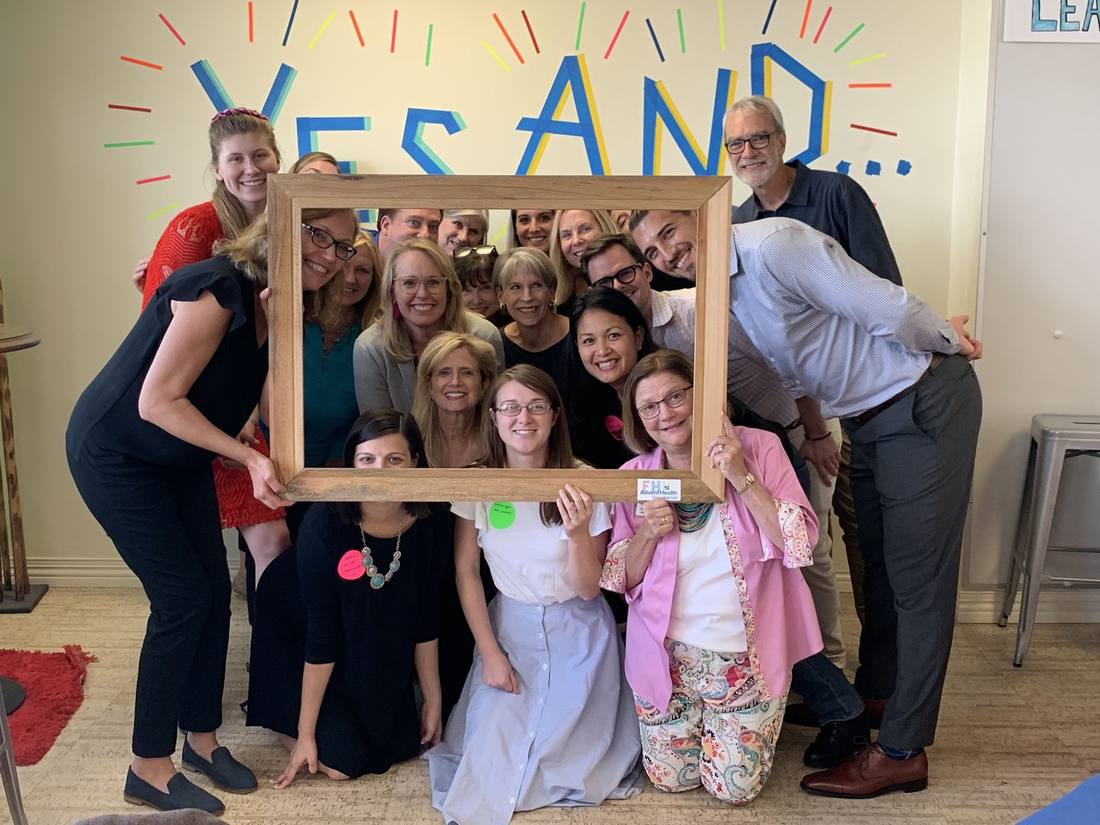
AdventHealth Innovation Lab.
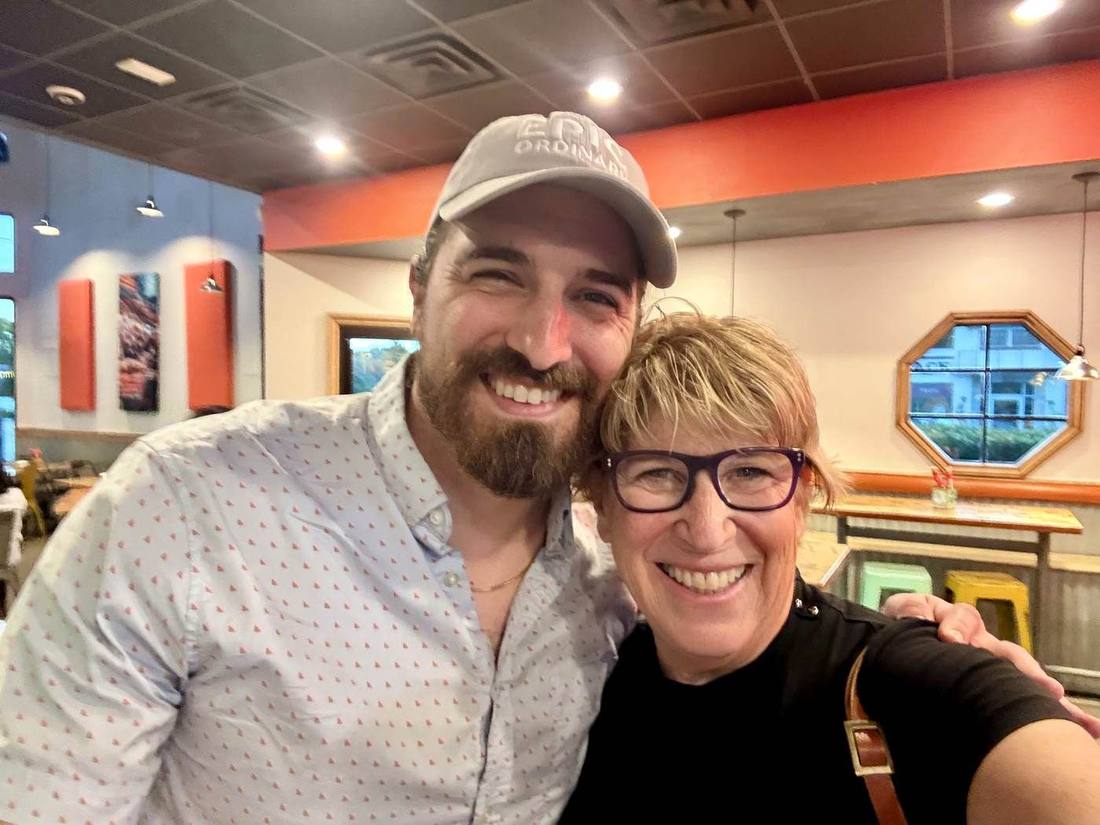
Orlando, and Karen Tilstra, who said she wanted a storyteller on her team. “We can’t know everything before we start,” she told me. In this life we prototype. I got fluent in design thinking, scoped and facilitated more than a hundred projects, and wrote down what happened while it was still warm. Whiteboards for walls. Sticky notes curling at the corners. I have never worked anywhere more serious about play.
16. Karen and I, years later.
17
Going down the U.
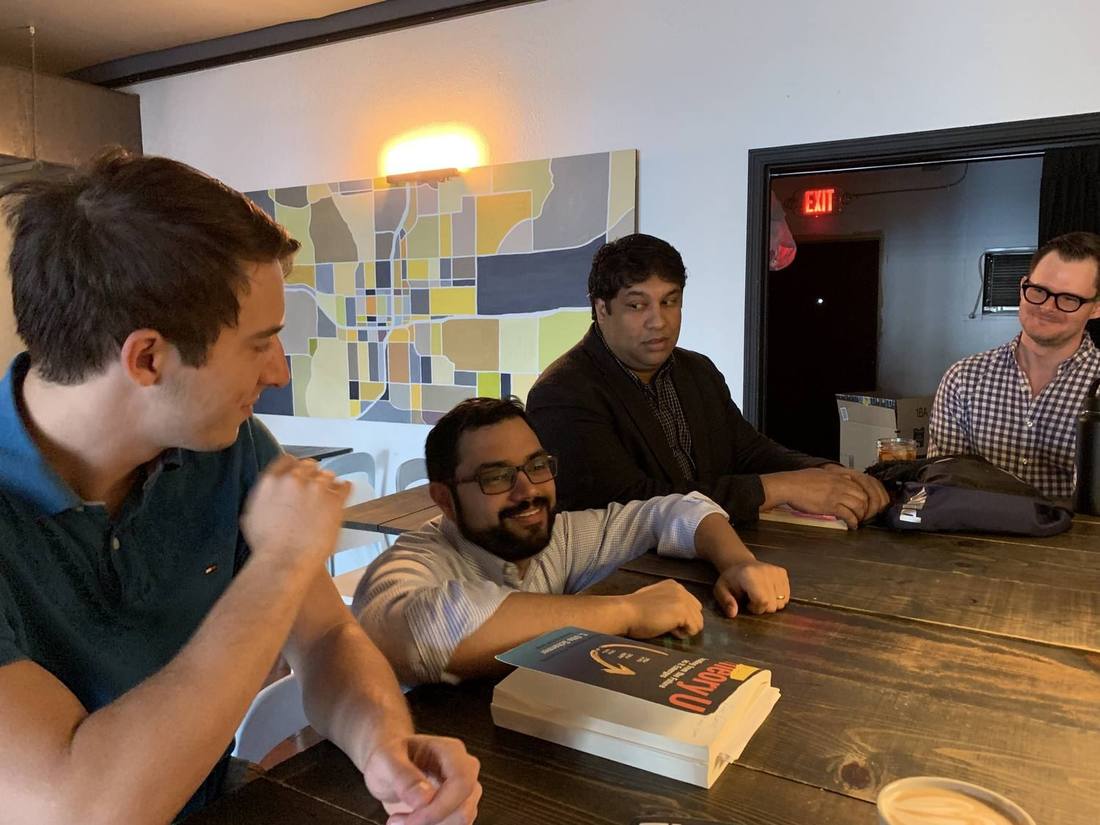
Karen handed me Otto Scharmer’s Theory U and a few of us started meeting over it, arguing about presencing across a long wooden table with the coffee going cold. The claim is that you cannot solve anything from the same place you made it. You go down the U, all the way to the bottom where uncertainty becomes your friend, before you come up the far side with something worth having. I have not run a session since that did not have that shape underneath it. I thought I understood it.
17. Presencing, over cold coffee.
18
Centralizing and speeding up.
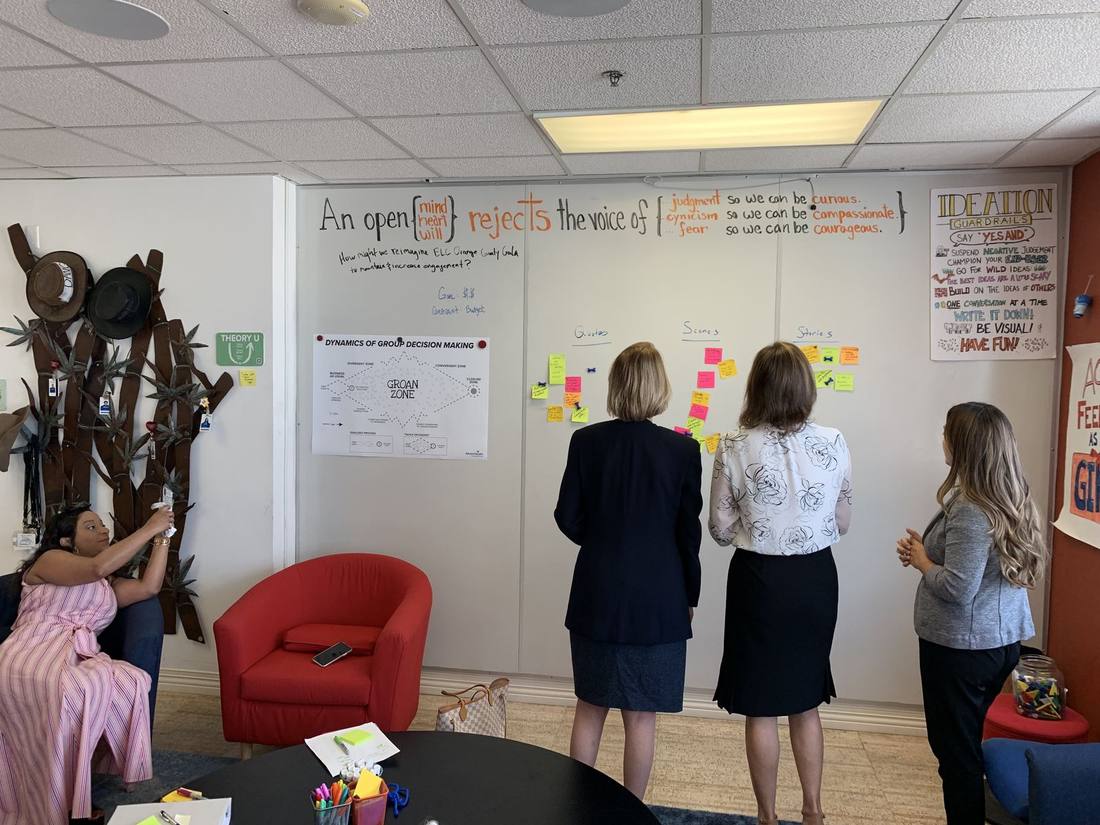
The pandemic threw half of AdventHealth into a frenzy and handed the other half a chance to decelerate. A hospital system with Sabbath in its roots was acquiring, scaling, chasing a bigger number by 2030. Team after team told me they no longer had time to innovate. I kept quiet and wondered whether the mission on the wall, extending a healing ministry, had started describing a machine.
18. The groan zone, on the wall and in the building.
19
The transplant team that stayed.
The last team I facilitated there were twenty-four-hour on-call transplant specialists, phones face up on the table beside the coffee, each one a leash. If anyone had earned the right to hurry it was them. They carved out the time anyway. Stayed past comfortable. Let the silences sit in the middle of the table without rushing to fill them. They left with something coming off their shoulders like steam off a horse.
19. Framed, on the way out.
20
Becoming a different kind of pastor.
Then a learning director and youth pastor at Patmos Chapel, the role I had sworn off, while my faith came apart under me and the mystics kept calling. I watched church life go performative, mine included. I also convened The Drip with the youth, where I brought a little stimulus and got out of the way. Five kids a week became thirty, some nights fifty. They knew more than you would think.
20. The Drip, letting go of something.
21
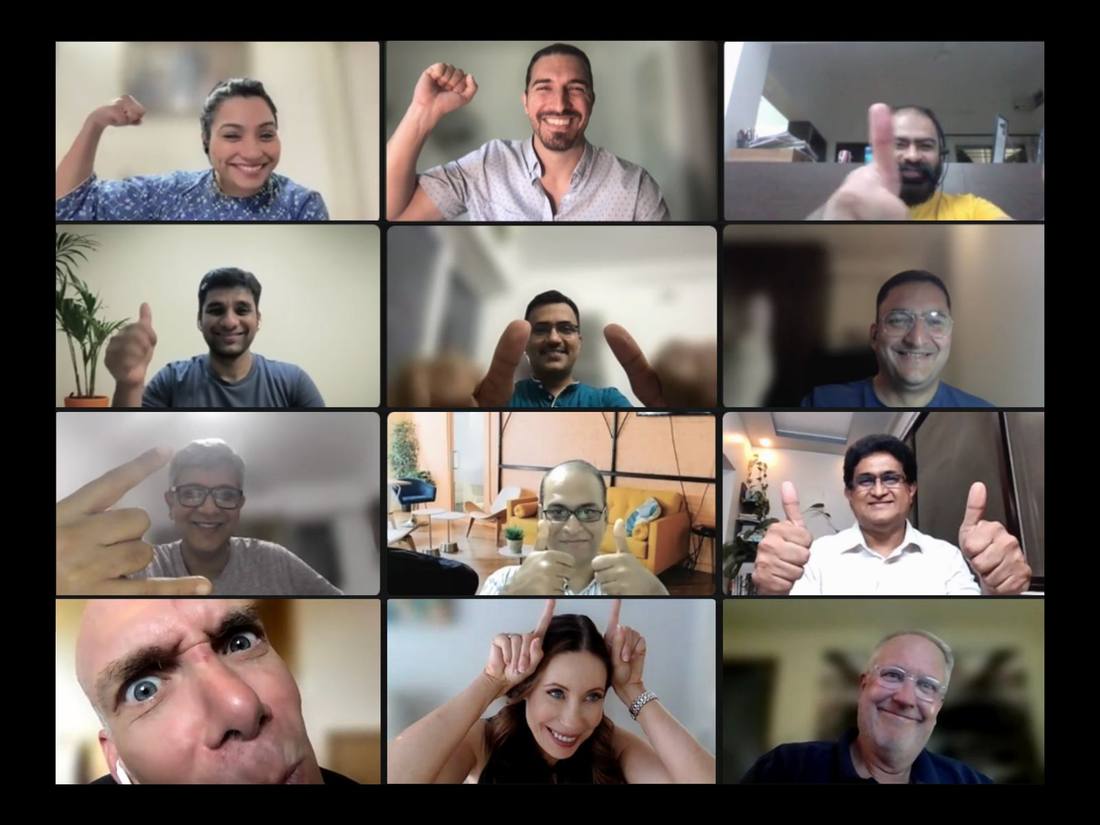
MIT xPRO begins.
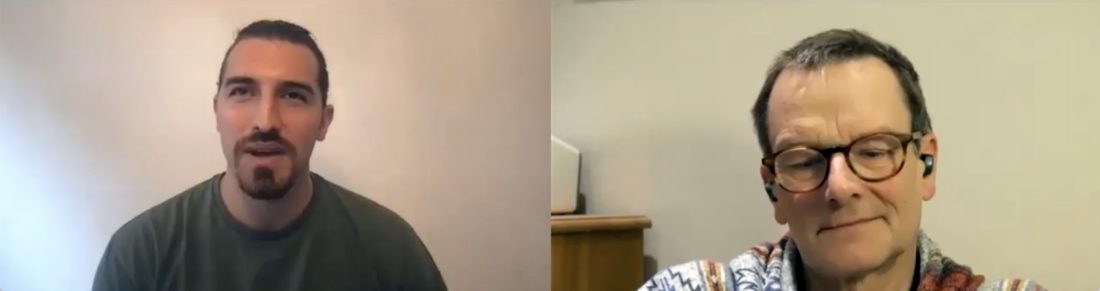
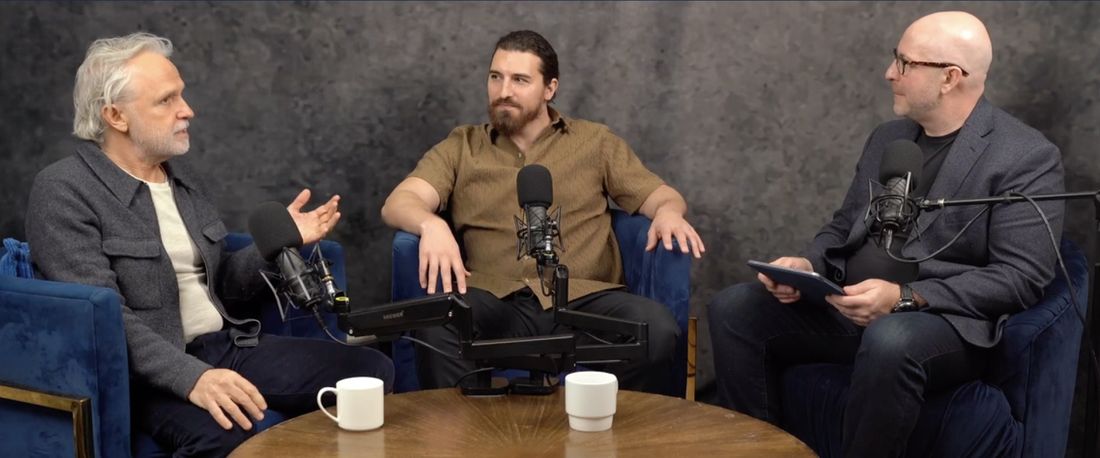
Since 2021 I have held live conversations on critical thinking, systems thinking, emerging technology, and leadership with thousands of people from more than thirty countries across six continents. Different time zones, different politics, same face on a person the moment they finally say the true thing. Stay human across difference. Simple structures release people to do complex work.
21. Thirty countries, one screen at a time.
22
A fifth of the hour.
At the usual corporate event a presenter talks most of the hour and buries everyone in frameworks. I flip it. I talk for about a fifth, offer a small stimulus, and hand the rest back. Most of the time the answer is already in the session, sitting three chairs from the front with someone nobody has asked yet.
22. Mostly getting out of the way.
23
Incomplete leadership.
Deborah Ancona and David Niño at MIT taught me we are all incomplete leaders. There is a time to step forward and a time to sit down. Everyone is creative until somebody trains it out of them in childhood. Good ideas and almost-good ideas come from anyone, including whoever sits lowest in the hierarchy. Especially them.
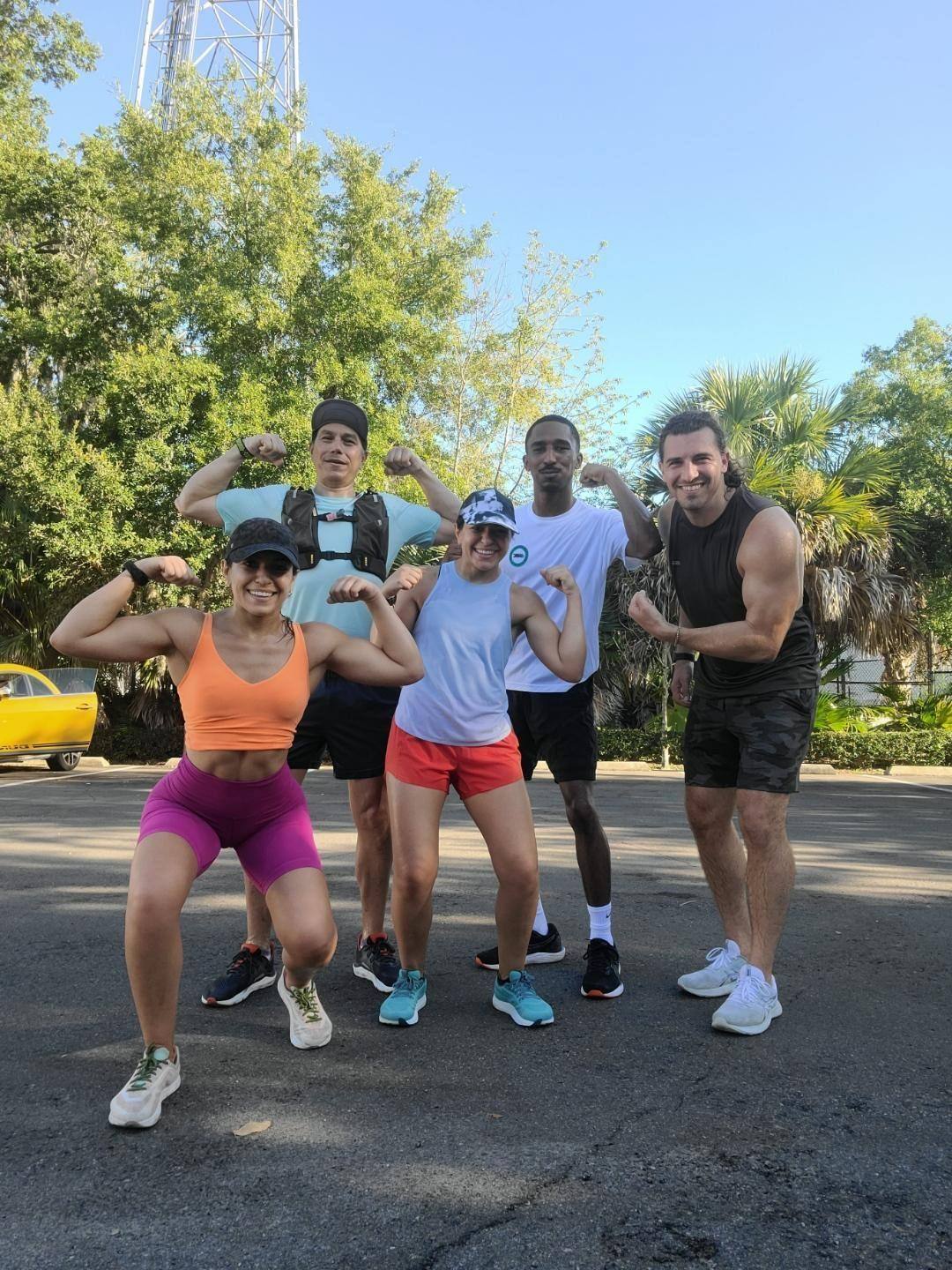
23. Marathon training. Nobody in front. Everybody flexing.
24
Root and canopy.
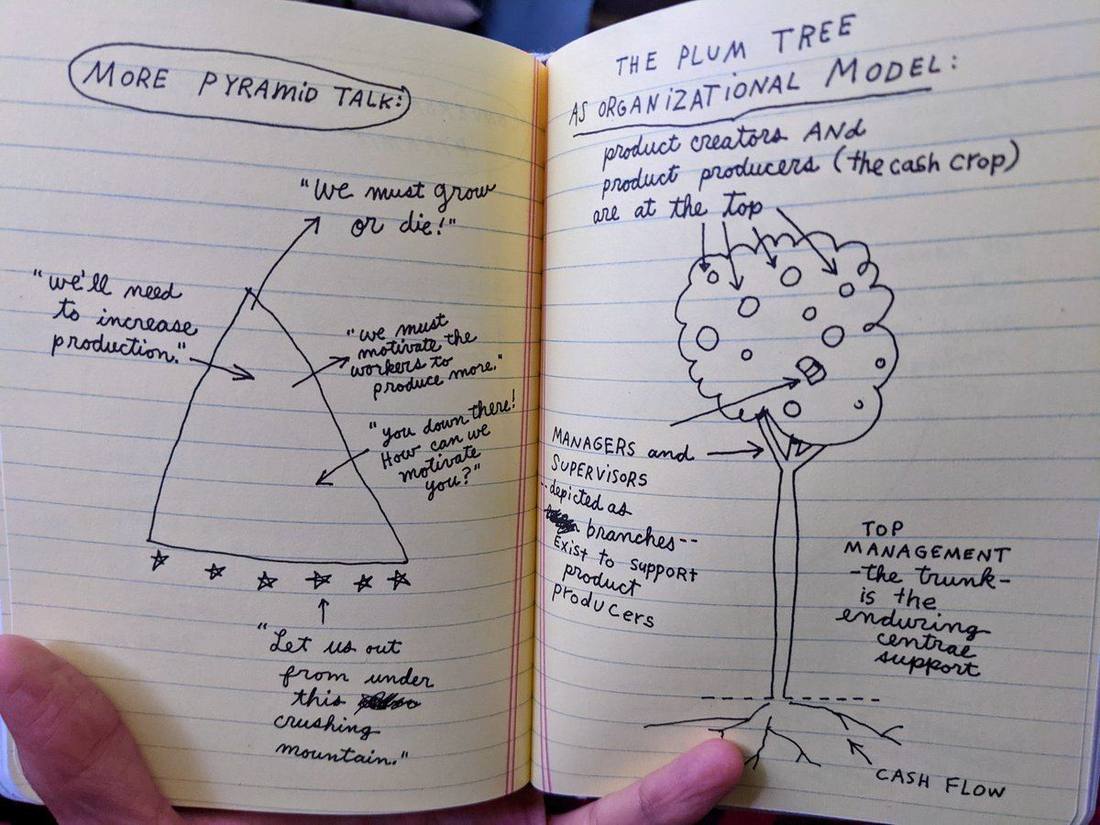
Most organizations draw themselves as a pyramid. Go stand in a forest instead. Presence is the root and the story grows up out of it, and a senior leader’s real work happens down there in the dark where nobody claps. The best of them still walk out to the far branches to see how each one is flowering.
24. Gordon MacKenzie’s pyramid, and his plum tree.
25
Rolling design.
I do not marry an agenda. I watch what happens in a session and between sessions and stay curious about what wants to happen next. I check my senses. What do I see, hear, taste, feel, smell, intuit. What gets built comes out with people rather than at them.
25. Working it out on the way.
26
Slow AI.
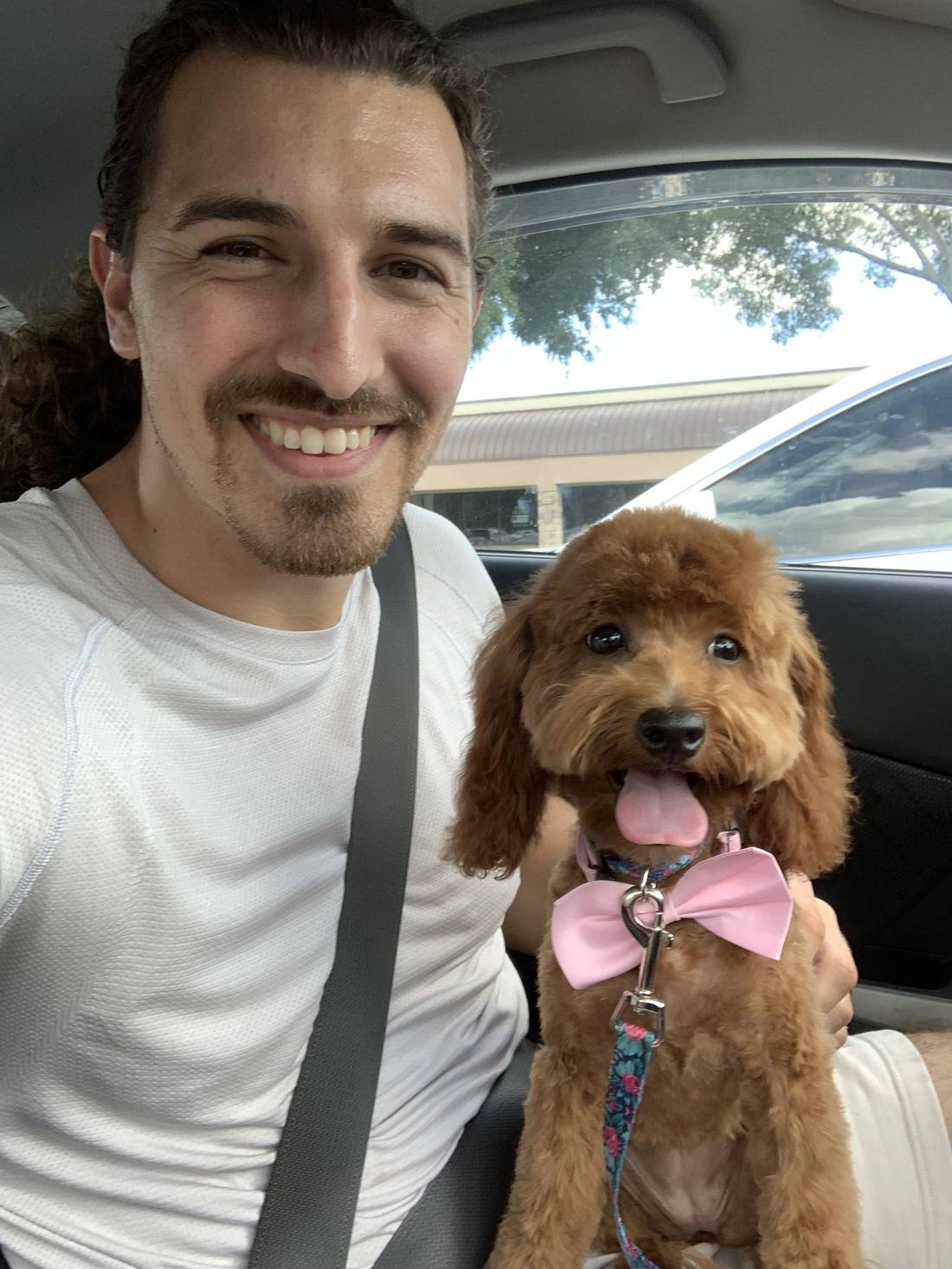
More than a hundred conversations on designing AI products and services, and I am not technical by training. What we automate, we forget. London cabbies who memorized twenty-five thousand streets grew the part of the brain that holds a map, and then the satellite voice arrived and the map went slack in them. Slow AI is a discipline of how close you stand. Coco cannot read and has never once asked me a question. She still knows the moment I have stopped being here, and she comes and puts her chin on my foot until I set the screen down.
26. Coco, unimpressed by my screen.
27
Hurry research with Rob.
In 2022 I sent a message to a stranger in Spain, an associate fellow at Oxford Saïd named Robert Poynton, and expected nothing back. We have been talking ever since. One question. What if hurry, in pace and thinking and behavior, is the root of the crises we face. I put it to hundreds of people over the next years. Then it stopped being a question I was asking.
27. Rob, high up, breathing fine.
28
It takes a village.
Three days before my first marathon I came down with a sinus infection. My wife woke me at three in the morning on November 27, 2022 and I told her I could not do it. “That’s Jordan-at-night talking. Jordan-in-the-day wants this. Get up.” Four hours and thirty-eight minutes out of Cocoa Beach, the sun scouring me from mile sixteen on. My father-in-law jogged the last stretch beside me. The whole village was waiting at the line.
28. Mile twenty-six, sinus infection and all.
29
Two months later.
My wife. Her parents. Dozens of her family. Mutual friends. The church, the neighborhood, the future I had pictured. Gone. I stepped back from the pastoral role. The familiar structures fell away and my faith went to a question mark. People said kind things that did not reach me. One life had ended and the next was in no hurry to begin.
29. What my mother-in-law sent me, the day I left.
30
Four bags.
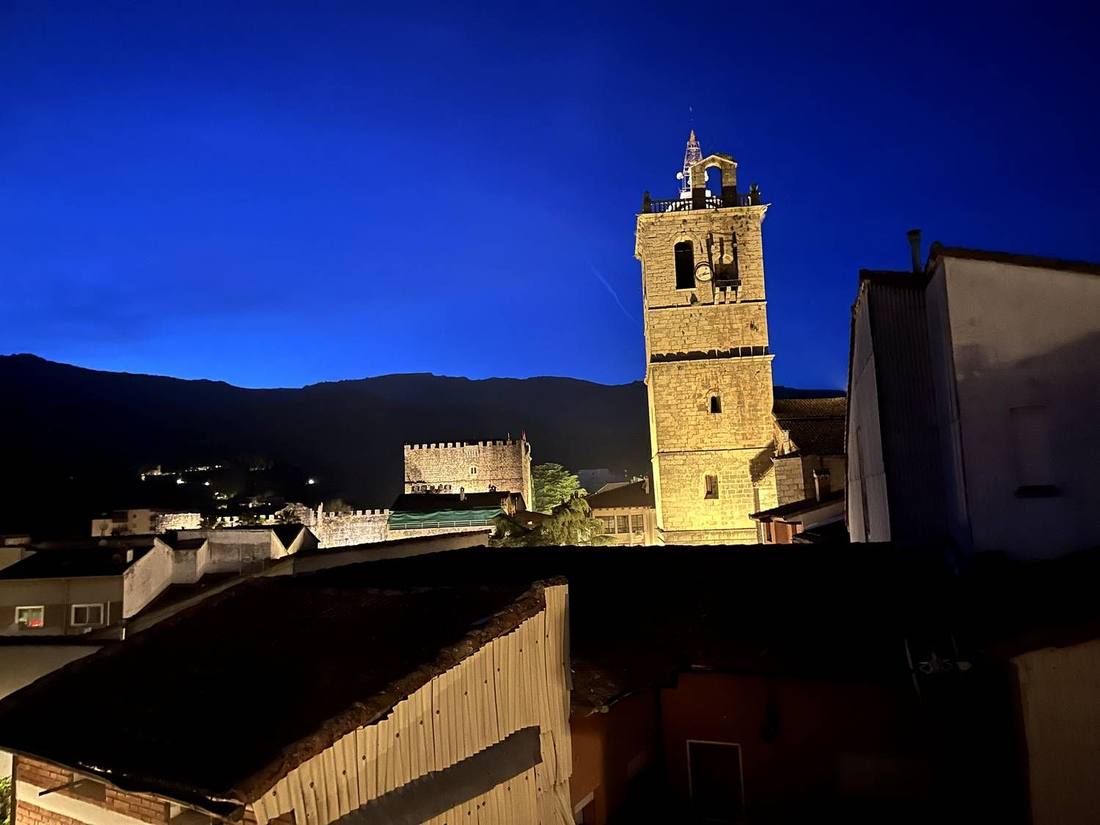
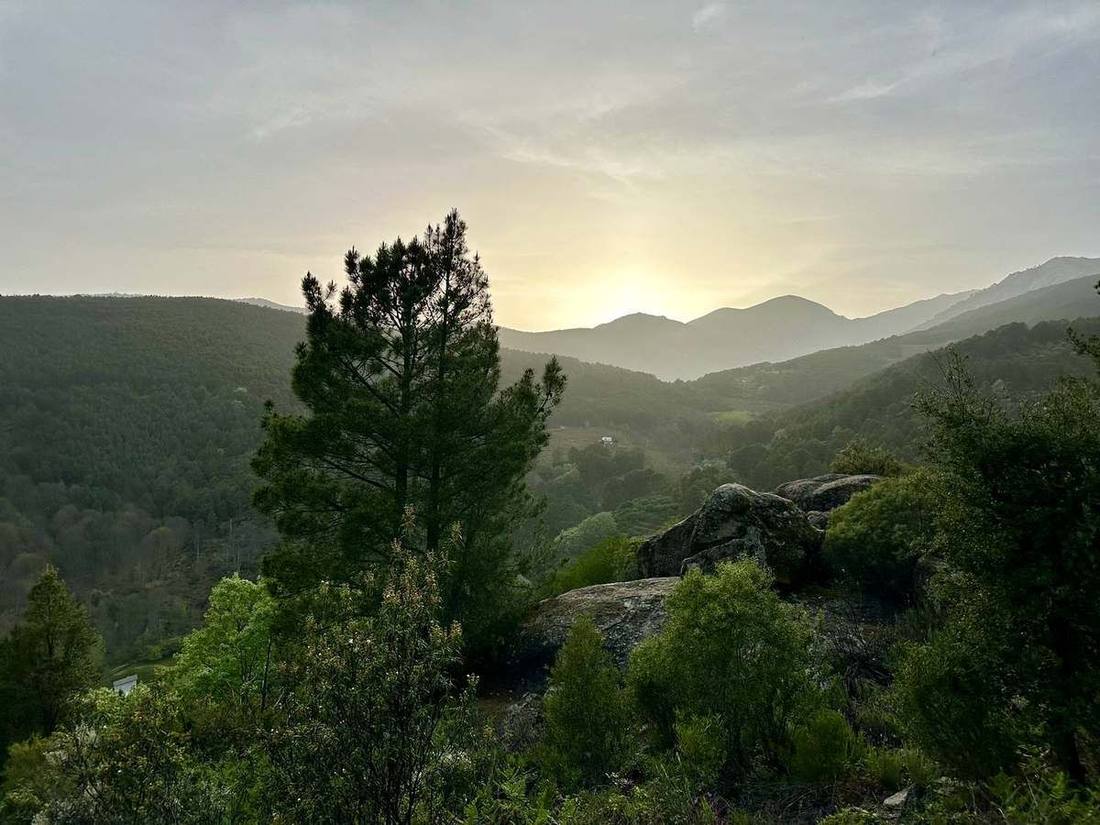
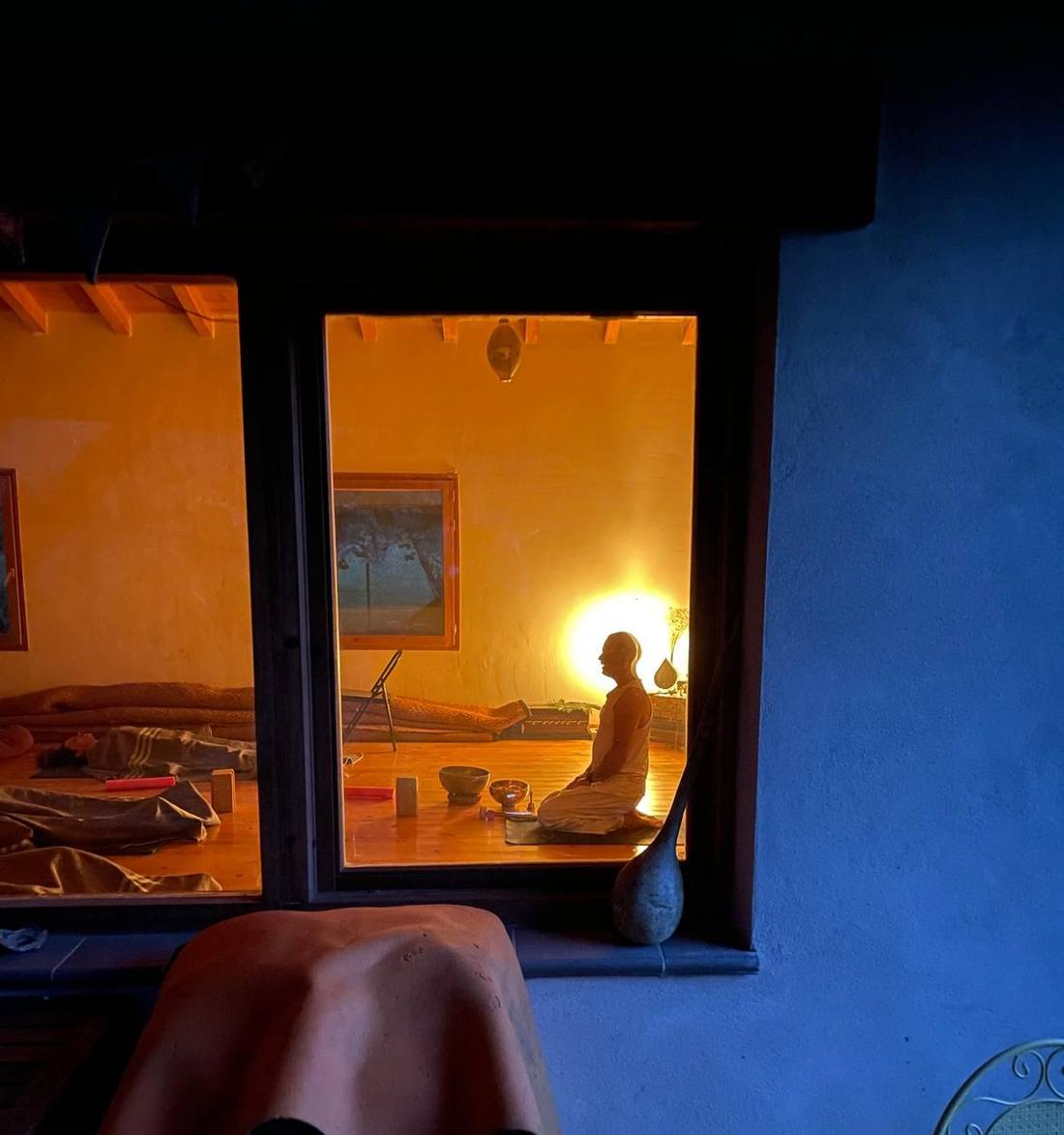
At the courthouse in Orlando, papers signed, my father-in-law looked at me with love in his eyes and said, “non-anxious presence will be tested.” I packed my life into four bags and moved to Arenas de San Pedro. Cathedral bells every fifteen minutes and a deafening quiet in between. Days without speaking to anyone. The technician never came to hook up the WiFi, so I lived offline and met whatever was left.
30. Arenas, blue hour, nobody expecting me.
31
Traveler, there is no path.
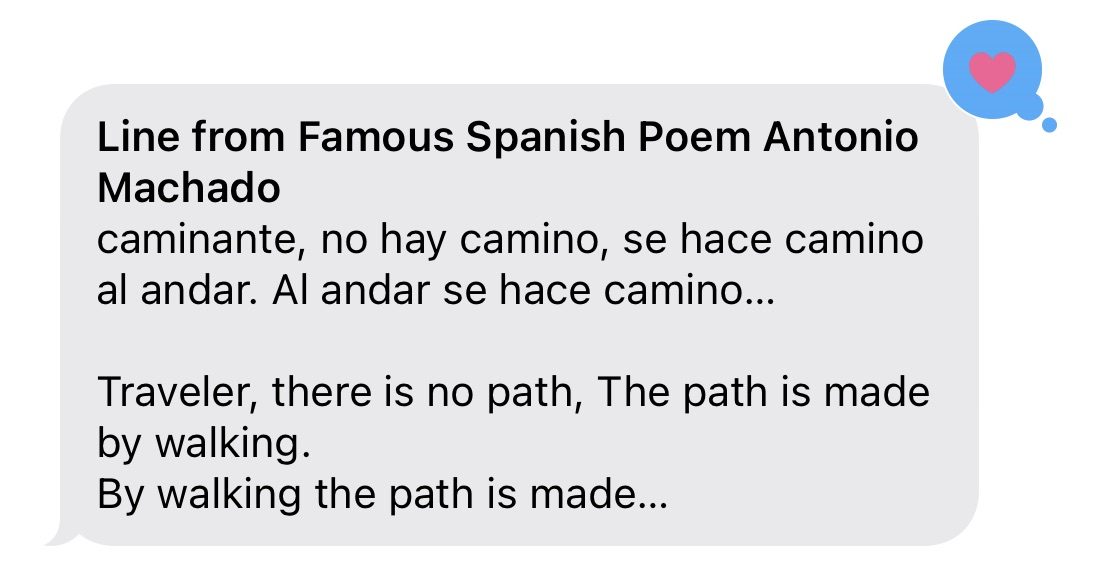
On a hike above Arenas I lost the trail I thought I was following. Dusk came down through the trees and my heart went loud in my ears. I hit a barbed fence that ran farther than I could see in either direction, and dogs started up somewhere behind me. I found a dried streambed running under the wire, put my palms into cold mud that smelled of moss and old rain, and crawled through on my belly. Later, in the flat, Machado floated up under my own breath. Traveler, there is no path. The path is made by walking.
31. Dusk, and the trail already gone.
32
Why must there always be a point?
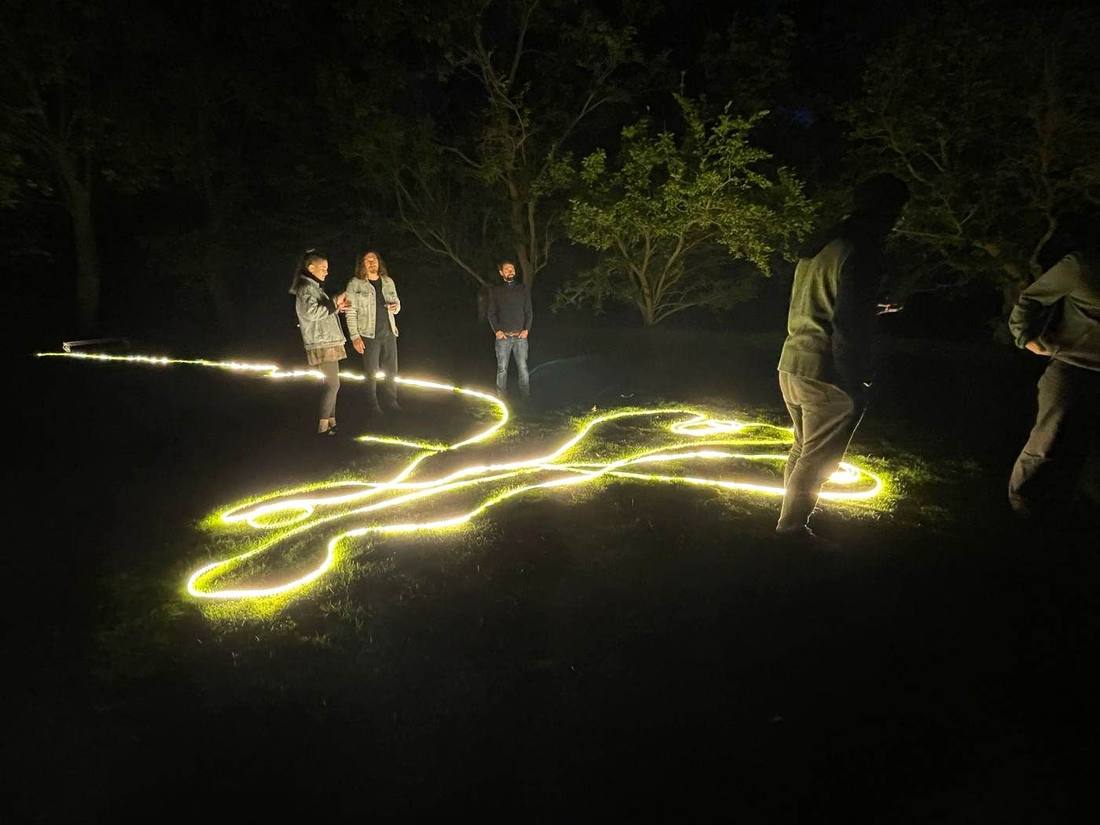
Rob introduced me to Yellow, and I attended the 3D event while in Spain. A learning space with no objectives, no curriculum, no agenda worth the name. Thirty of us came to an estate outside Ávila for four days, the whole plan written on a big piece of dry erase board. Breakfast at nine. Lunch at two. Dinner at seven. Whatever else happened we would create. One afternoon we folded origami for two hours until somebody finally asked what the point was, and Rob asked back, “Why must there always be a point?”
32. Yellow 3D, after dark.
33
The first two.
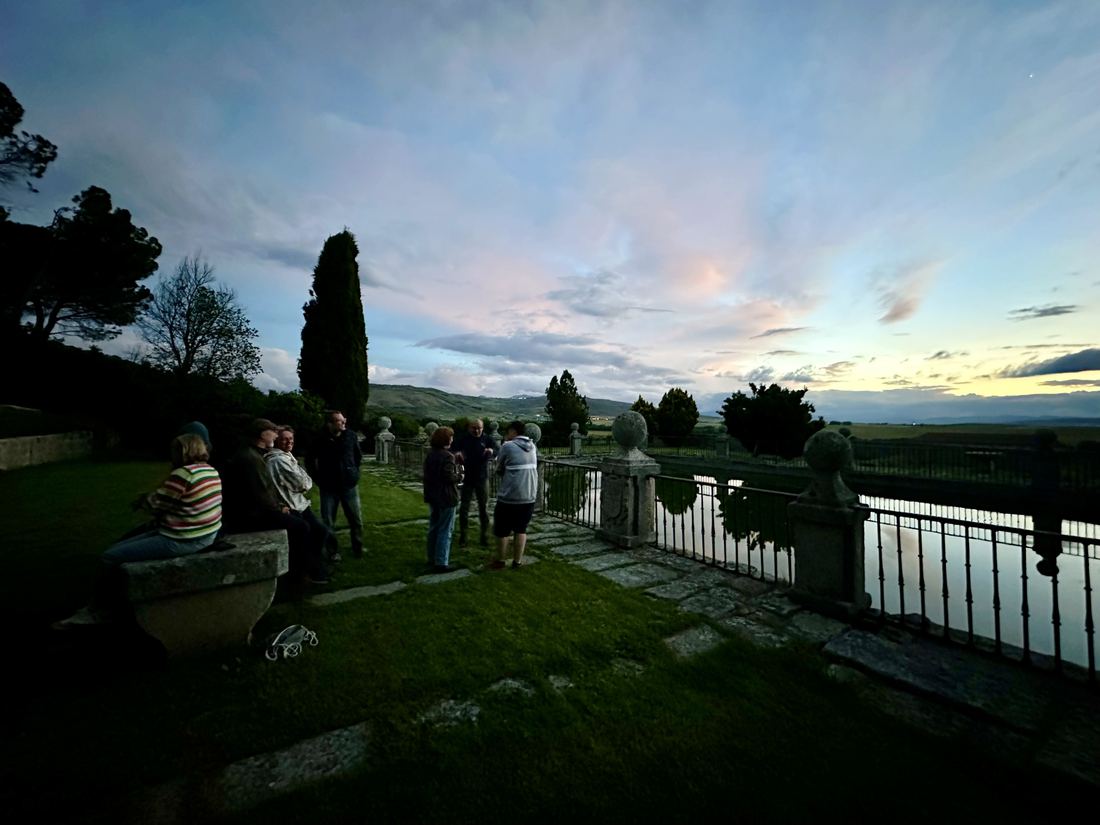
At the same estate outside Ávila, the sky went pink over the water and everyone stood about with a glass. I had spent half a year since the divorce reading my own life the way you read a myth, thresholds and monsters and long stretches of walking, and it was healing something that explaining myself never touched. So I said it out loud. And offered an experience, Your Epic Ordinary Life, if anyone cared to try it. Two people approached me along the stone balustrade while the light went. Theirs became the first stories. A machine can summarize your life in a second and cannot witness one second of it. Human witnesses help us cross the threshold.
33. Ávila at dusk, where it started.
34
The boar trail.
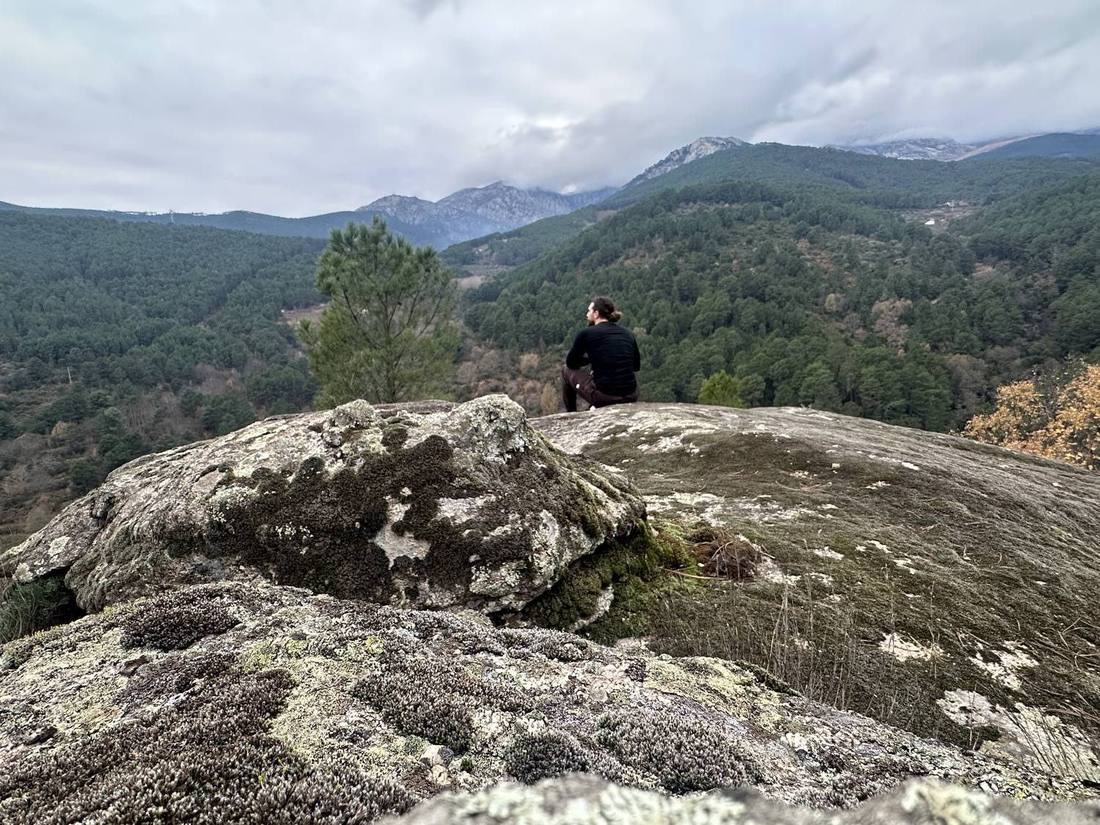
Most days I climbed the gravel road past the horses making peace with the flies circling their heads, turned into the olive grove, and disappeared into the woods on a trail made by wild boar, ducking under branches, pushing plants aside. It opened onto a great mossy rock. I went with no phone and nothing to do there. I sat in the Unknown and let it look back at me. I came down having been witnessed by something that does not use words.
34. The rock, and nothing to do there.
35
Home, slowly.
Spain handed me strange questions. Who will you be whenever what has long felt familiar has crumbled beneath your feet. What if home is wherever the body happens to be standing. I started treating mine as a residence rather than a vehicle. Yoga in a temple outside the village at first light. A pastry from the baker. Tortilla and a beer at midday. Siesta while the whole town went dark at two and nobody asked my permission. Could I really say it? Wherever I go, there I am.
35. Roland. I am under one of those blankets.
36
Bedford, differently.
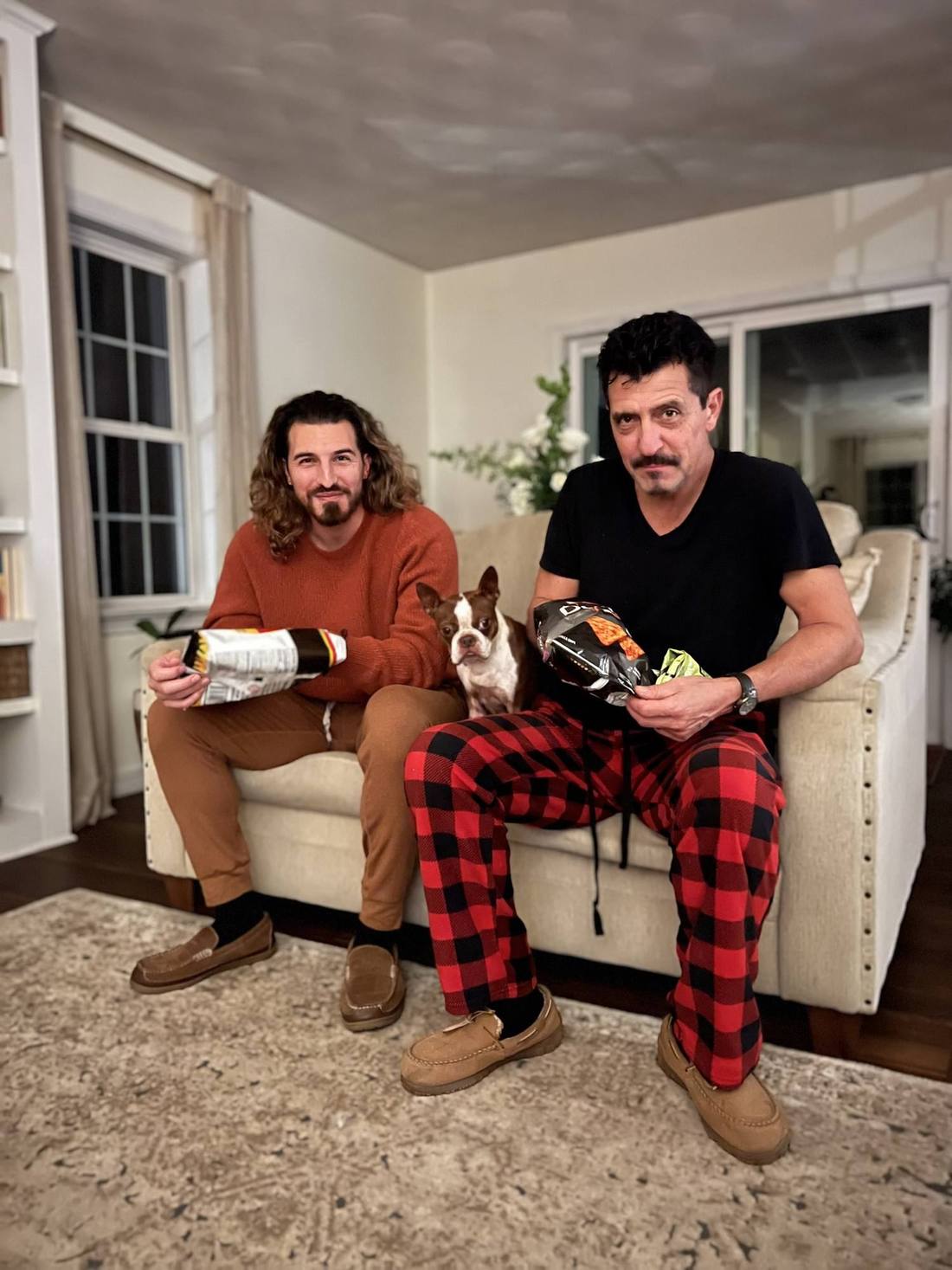
I flew back, came to see family, and slept in my old bedroom, which was once a shrine to Steelers jerseys and Fast and Furious posters and was now incense on a distressed dresser and faded green pillows on a daybed. While I was gone my parents had started therapy for the first time in their lives. They slowed down far enough to heal and then, quietly, turned into healers. I sat with my father and we ate chips straight out of the bag and I found I could be here differently.
36. Home, and a bag of chips each. Also Nala.
37
Gram.
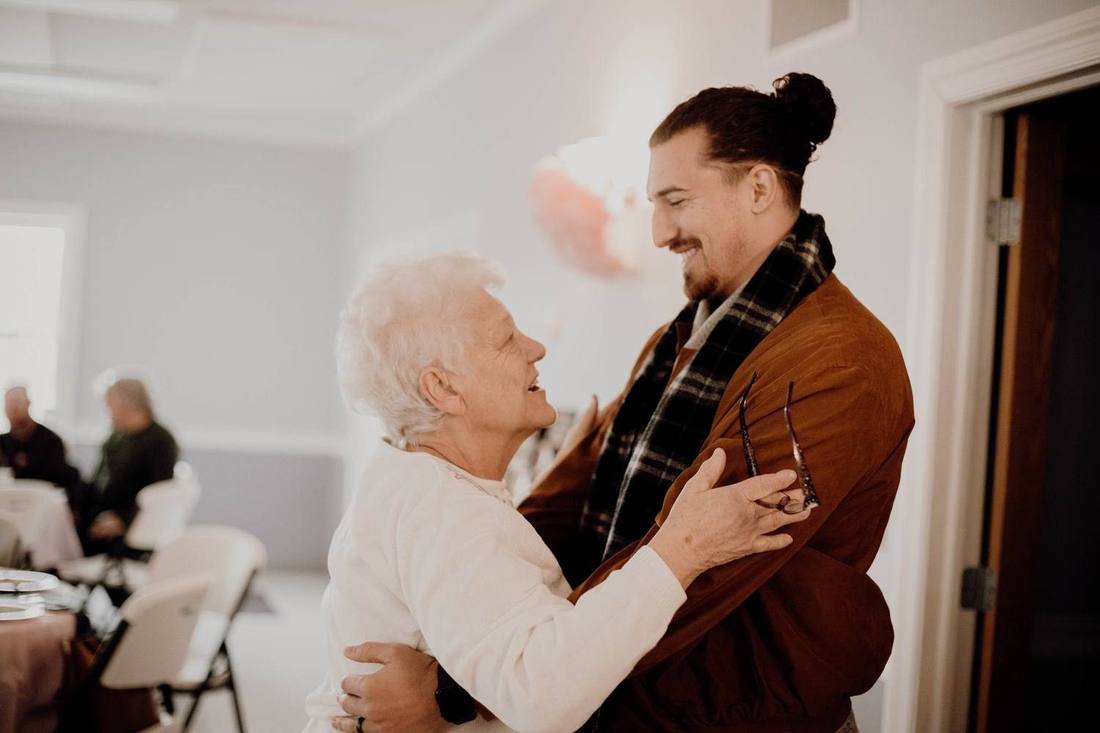
Back home, we buried my grandmother. My mother walked up to the podium and unwrapped a creaky leather journal, its pages covered with her ink, and began sharing stories about Gram that I had never heard before. A whole family sat there tasting salty tears through laughter, learning about a woman we had already put in the ground. Death, in that hour, breathed life into what I am for.
37. Gram.
38
Go west, young-ish man.
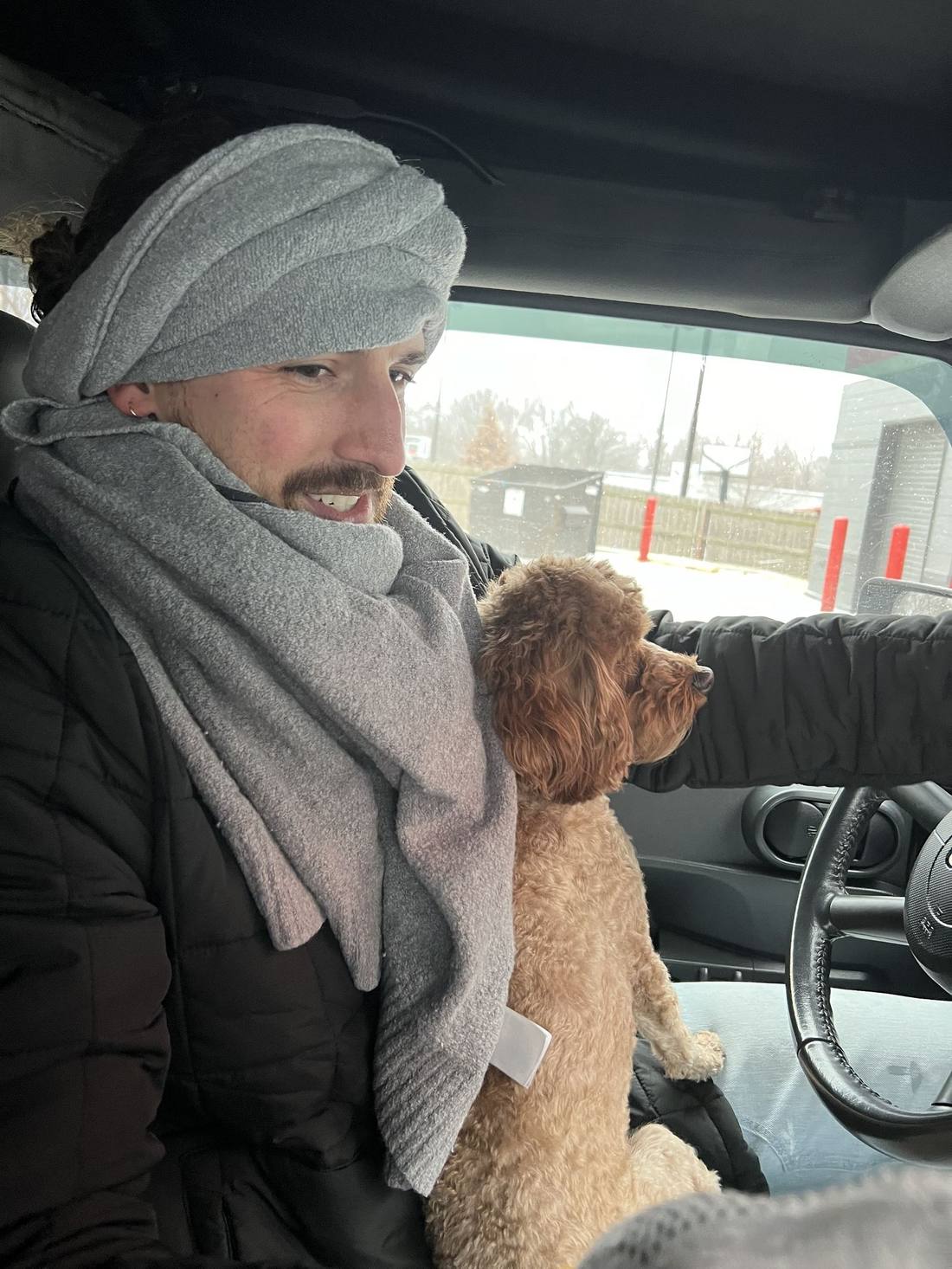
Early 2024. The Jeep loaded with everything I owned and Coco riding shotgun, I took Spanish rhythms into the country I was born in. The temperature dropped twenty-five below across Missouri and Kansas, snow coming sideways, and the heat quit somewhere out on the flat. I got to Boulder with relief and tension both, and chose it as shelter for a time while I kept working the deeper question of home. My travels continued.
38. Coco, riding shotgun, twenty-five below.
39
Ashok.
Berkeley Springs, West Virginia, walking past porches piled with pumpkins and hay when something landed in my hair. I patted at it. It buzzed, resisted, and drove its stinger into the index finger of my right hand. The last time I had been stung was twenty years ago, by a yellow jacket. Then a red Chrysler van, a throat closing, epinephrine in one cheek and a steroid in the other. This time only the finger swelled. Same body, different answer. Ashok has been my best friend since college, and hours of talk showed me his theology had held while mine had gone floating, and we hugged goodbye in the street anyway.
39. Ashok, the day of the bee.
40
Ordinary mystics.
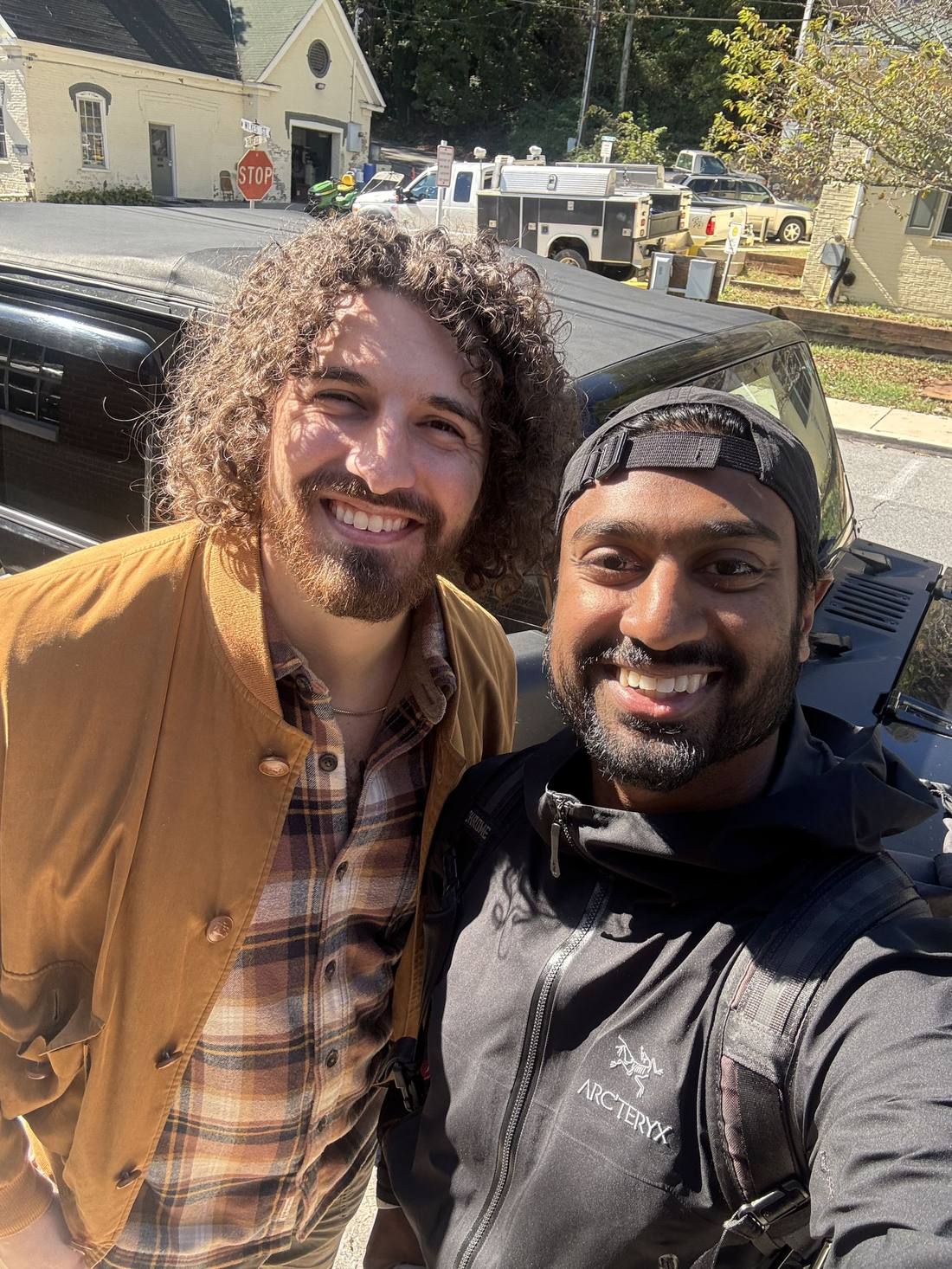
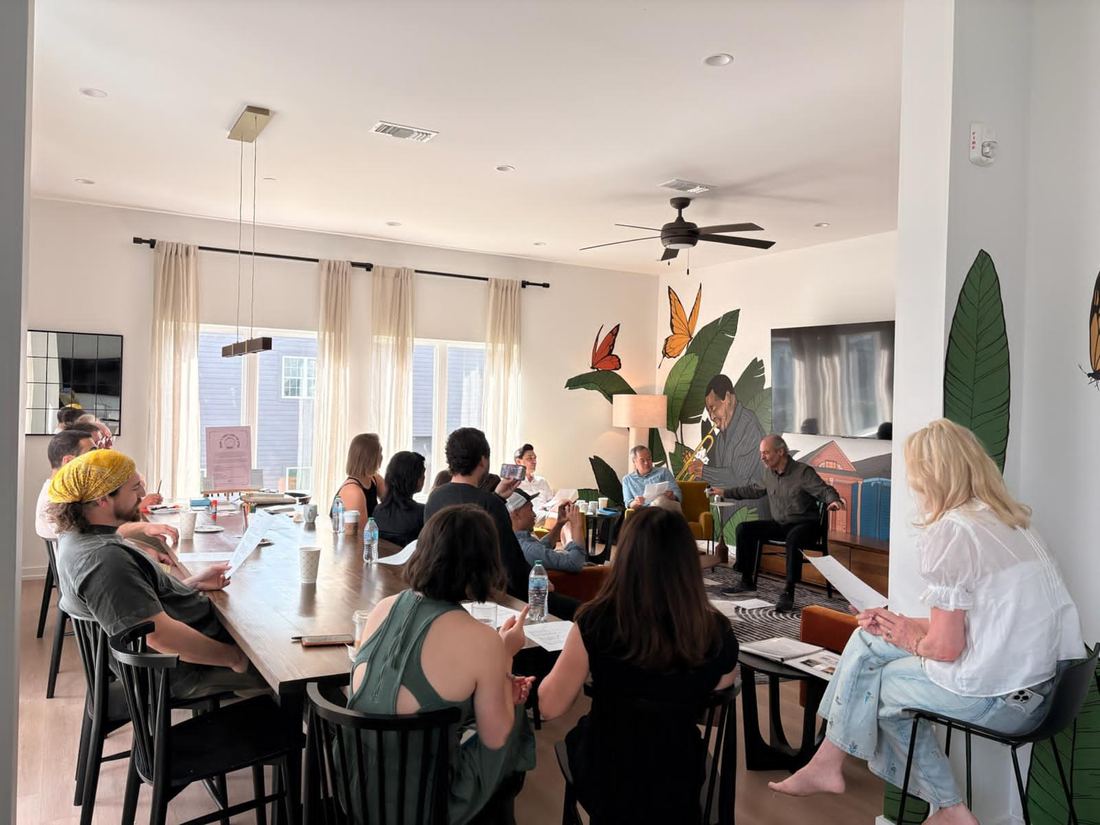
Halfway through 2025 I met Samir, two former pastors turned heretics and story lovers, and the idea I’d been piloting for two years became a studio, Epic Ordinary. I moved to New York for the winter and started going to Citylights on Saturday mornings. Church is the nearest word and it misleads you. It’s a post-church gathering of ordinary mystics, people who walked out of their traditions and kept walking past the exit. They held story slams. They read a passage of scripture, said out loud what they could not stand about it, tore it down to the studs, and found a way to bless it before they moved on. Somebody told me early that if God cannot be easily understood, then God cannot be easily offended.
40. Citylights, on the road for Samir’s sixtieth.
Act three
Practice
Ten pieces about what I do with all of it now.
Practice
41
41 to 50
41
Unhurried Design.
I had met Johnnie Moore the same way I had Rob, by sending a message into the ether. He responded in kind, and I later learned the two were great friends. Johnnie and I began building Unhurried Design together while I was in Spain, which mostly came down to asking what design would look like if people were allowed to bring their feelings into it. For months we ran workshops on negative emotion. We said ours out loud first. Nobody came apart. The honesty refreshed, and ideas unfolded between people who had stopped performing for one another.
41. Johnnie, giving attention.
42
Upward Path Institute.
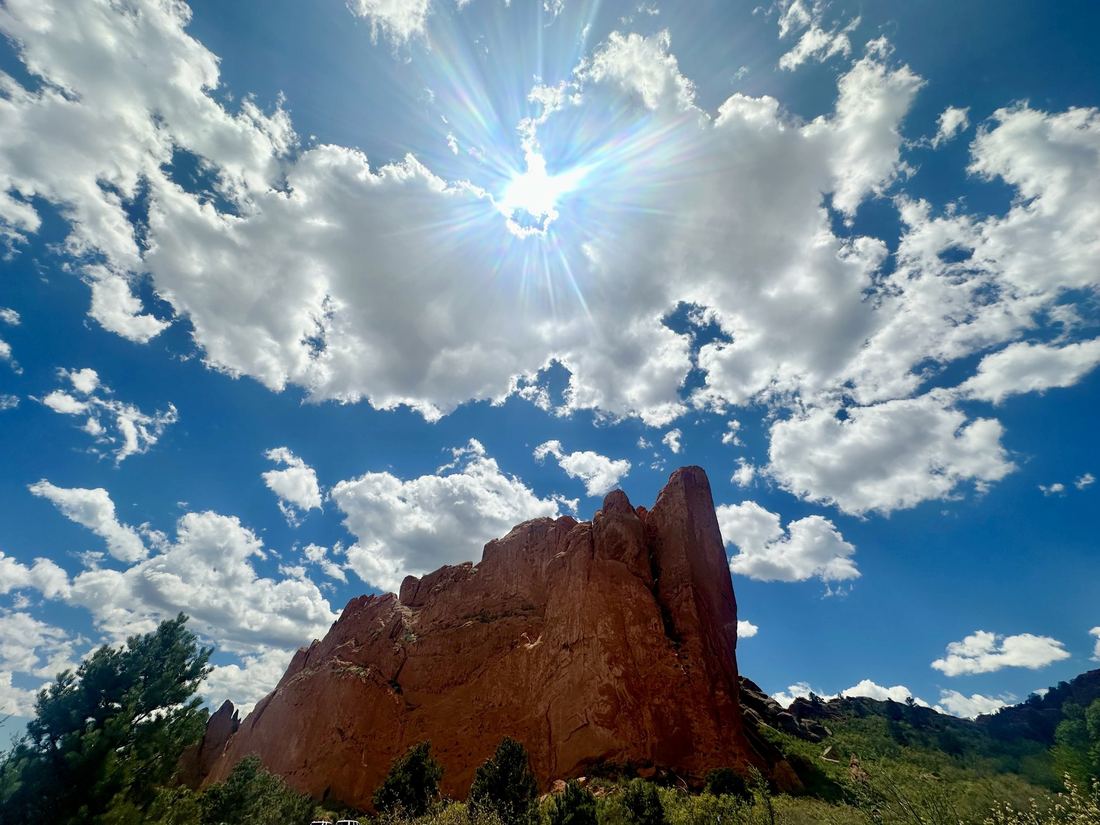
I wrote the curriculum for Foundations of Personal Storytelling and I run it. First-generation immigrant families, fourteen to eighteen-year-olds, seeking entry to an admissions system that can smell a template from a mile off. The work is helping students find language for a thing they have lived and never once said out loud. Learning AI literacy. Then touching grass. Ninety-eight percent have been admitted to a university in the top five percent. I care more about the afternoon a kid stops writing what they think is wanted.
42. A hike through Garden of the Gods. Touching grass.
43
Epic Ordinary.
Our guided memoir studio, where we help families and leaders keep what they have lived and take part in a story much larger than any of us. The Epic Ordinary way is three verbs. Hear what your life has been telling you while you were busy. Imagine it as it actually is instead of the version you hand people. Then embody it, in your kitchen and your calendar and the larger story you are already inside. That is how a person becomes seen for who they really are. We sit with people in Denver saloons and New York penthouses and Pennsylvania woods and Mumbai rooftops. Give them their flowers while they’re still living.
43. The beautiful Samir.
44
Honey, forty years later.
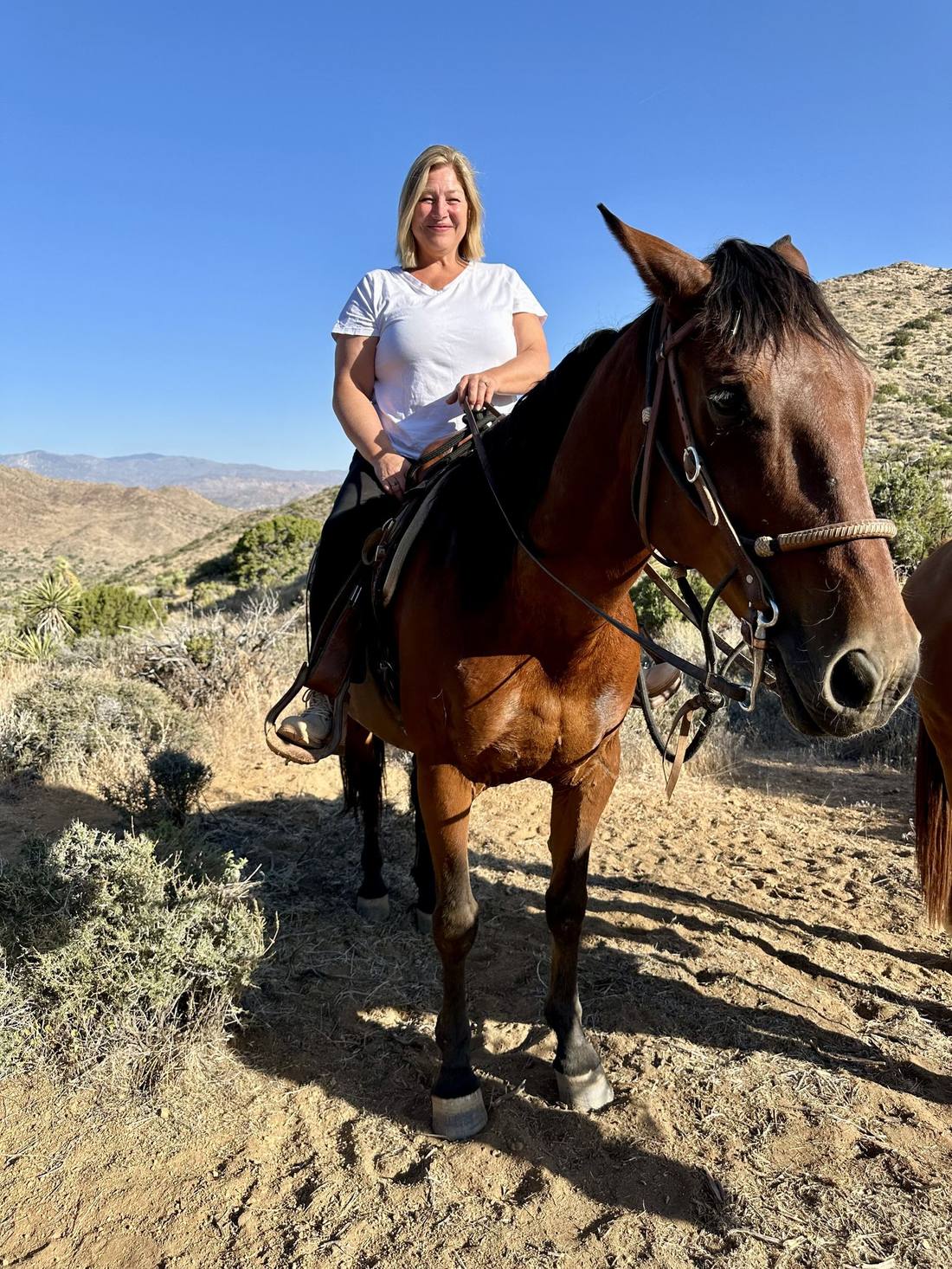
In the year after Gram died I asked my mother if she would let me write her life, hers, while she was still here to tell it. So she talked, and I wrote it down. Somewhere in the middle of it we found a pony named Honey and a girl who once gripped its neck while it bolted for the barn. She had not been on a horse in forty years. So on our next trip, to Joshua Tree, we put her back on one. In that photograph she is a grown woman with grown children and she is also, unmistakably, eight years old.
44. Forty years, and then Joshua Tree.
45
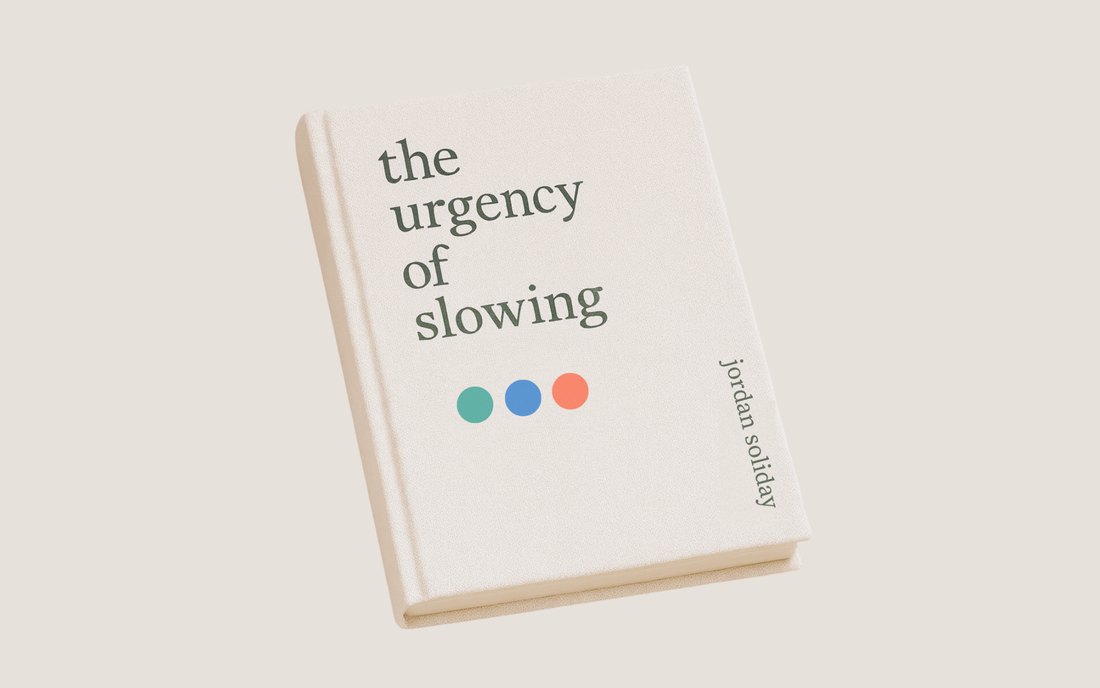
The Urgency of Slowing.
Three books are finishing at once. The first came out of my hurry research, a season of burnout, and the year the village went. Slowing turned I don’t know from a sentence I dreaded into one that made me smile. While living in Colorado, a wildfire ran the mountains forty miles west, and for two weeks the air came down into the town and sat in my lungs like it had an opinion. When it finally stopped, what it left was cleared ground, and seed that only opens in heat. There was a usefulness in everything being burnt to the ground.
45. The Urgency of Slowing.
46
SEEN: The Story of Your Epic Ordinary Life.
The second is written with Samir. It is about living visibly without turning your life into a performance. It names the Fear of Being Seen and the two ways out people take from it, going small or going loud, and it hands over the practices, hear and imagine and embody, as a way across instead. It is also Samir’s own life, a boy conscripted as a soldier in Yugoslavia who had always dreamt of moving to New York City.
46. Talking storytelling in Times Square.
47
The Boy, the Truther, and the Looking Glass.
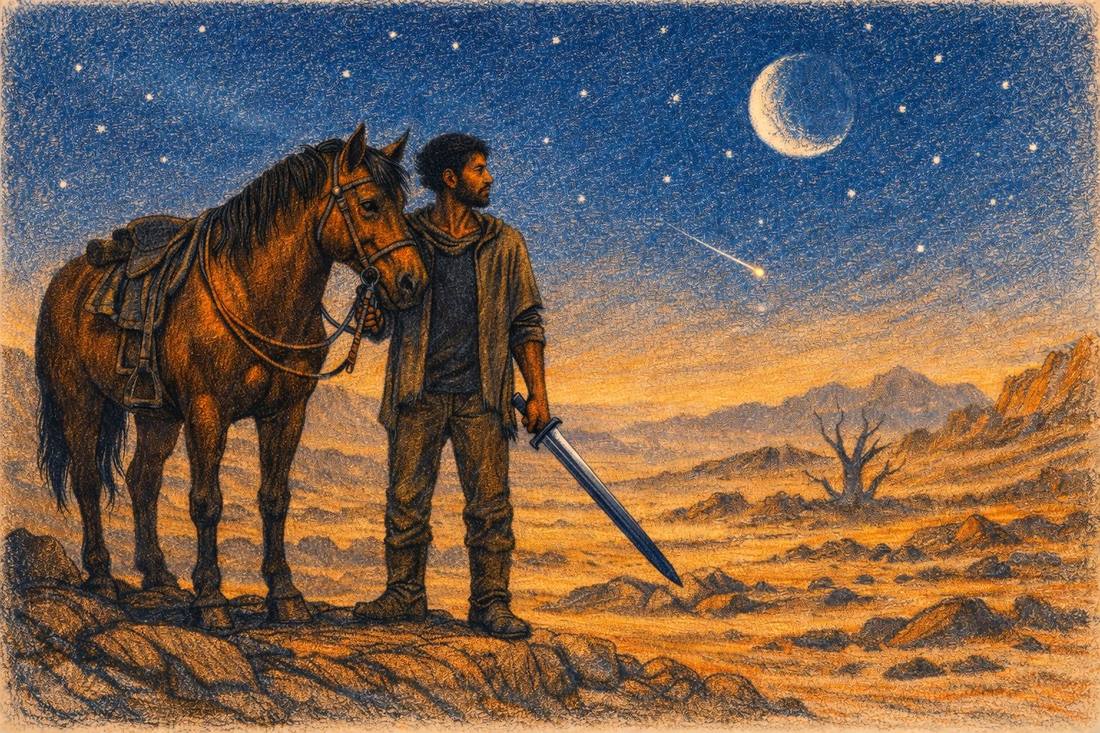
The third is literary fiction, an analogous world, the novel I started in 2014 and was still hammering at a year later on Mount Washington with a typewriter. Dre was a promising swordsman beside his twin brother until a device arrived that would show him anything he asked to see. Years went into it. At his birth a Truther prophesied he might save the city at thirty-three. He is thirty-three now and hollowed out, and the device is in every home in Thelema. The prosperity of the city turns out to have been built out of a great many private collapses.
47. Thelema, somewhere in my head.
48
Porch Sit Revolution.
A porch sit is a pause with nothing in it. Body present, senses awake, no audience, no stimulation. In 2026 I started a group that does this together, which sounds like nothing and is the most splendid hour of some people’s week. We are shaping The Urgency of Slowing in the same hours. In an age trained to react, we stop donating attention to whoever profits from taking it.
48. A porch sit, with my sisters, in the wild.
49
fishing the universe.
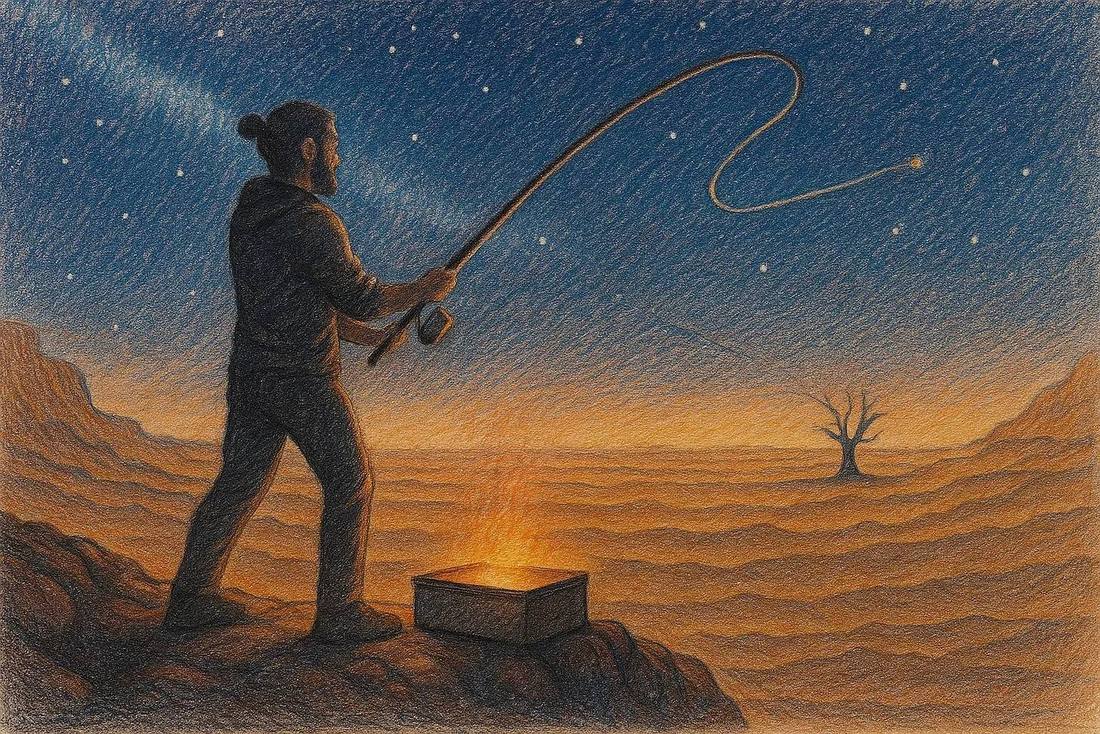
I am still wandering the Unknown. I know what I am for now, and I help others learn what they are for in return. On Substack I fish the universe. Not for answers. I am most interested in the mysteries that cannot be flattened. Some pieces are short stories. Others sit with a question and refuse the quick fix. A few are written with no internet at all, just memory and attention and the page, mistakes and all. Read them the way you would listen to somebody talking at a fire, under a canvas of stars, where nobody is in any hurry to conclude.
49. fishing the universe.
50
New Renaissance, in practice.
A renaissance starts when enough people recover the nerve to be present and the willingness to tell truer stories. I am doing my small part, one word at a time. If you want to live it yourself, that is what I am here for. And if you have come this far and we have never met, that seems worth fixing.
50. Somewhere between Kansas and here.
Half an hour, unhurried.
You tell me where you are and what you are up against. I tell you how I would work with it. Bring something specific if you can. A decision you keep circling. A transition you are in the middle of. A question about where AI belongs in your work.